Article
16 March 2026
How can blue carbon and environmental markets support Indigenous economic development and climate action, while protecting rights and culture?
Australia has been described as a hotspot for blue carbon, which is the carbon captured and stored by coastal and marine ecosystems. Blue carbon ecosystems such as mangroves, saltmarshes, and seagrass meadows occur along large stretches of the Australian coastline. These coastal habitats store vast amounts of carbon in their soils and vegetation. They also support fisheries, protect shorelines and hold deep cultural value for Indigenous communities.
As climate change accelerates, interest in blue carbon has grown. Carbon markets and emerging nature repair markets can generate income through carbon credits and biodiversity outcomes. For Indigenous communities, this presents opportunities for Indigenous land and sea managers to be recognised and resourced for their work to care for their Country.
A hub project led by the Indigenous Carbon Industry Network (ICIN) has explored how Indigenous rights, interests and aspirations intersect with Australia’s emerging blue carbon and environmental markets. The involved researchers from Charles Darwin University and the North Australian Indigenous Land and Sea Management Alliance (NAILSMA).
Barriers to Indigenous participation
Indigenous people hold recognised legal or consent rights to carbon projects along about 66 per cent of Australia’s coastline and 118,705 square kilometres of Sea Country. The project has highlighted the limited applicability of Australian Carbon Credit Unit (ACCU) Scheme blue carbon methods across this area.
At present, there is only one blue carbon ACCU Scheme method, focused on restoring tidal flows to previously drained wetlands. In many areas of northern Australia where Indigenous rights are strongest, blue carbon ecosystems remain relatively healthy. As such, tidal restoration applies in limited circumstances. This mismatch creates barriers to Indigenous participation. A key project finding is the need for government to support the development of Indigenous-led carbon and nature repair methods, such as the wetland repair through ungulate management being developed by NAILSMA and the University of Queensland.
Through consultation, the project identified that Indigenous groups and organisations have a strong interest in blue carbon. At the same time, communities stressed the need for caution as carbon markets are new and complex, some have had poor experiences with carbon developers, and the methods are still in development.
“A carbon developer came to our community and engaged in the wrong way. They came in with proposed project and with everything ready to be signed. There was no ownership from Traditional Owners. Because of this, it led to division and tension between families in community.”
Fiona Keighran, Coordinator, li-Anthawirriyarra Sea Ranger Unit
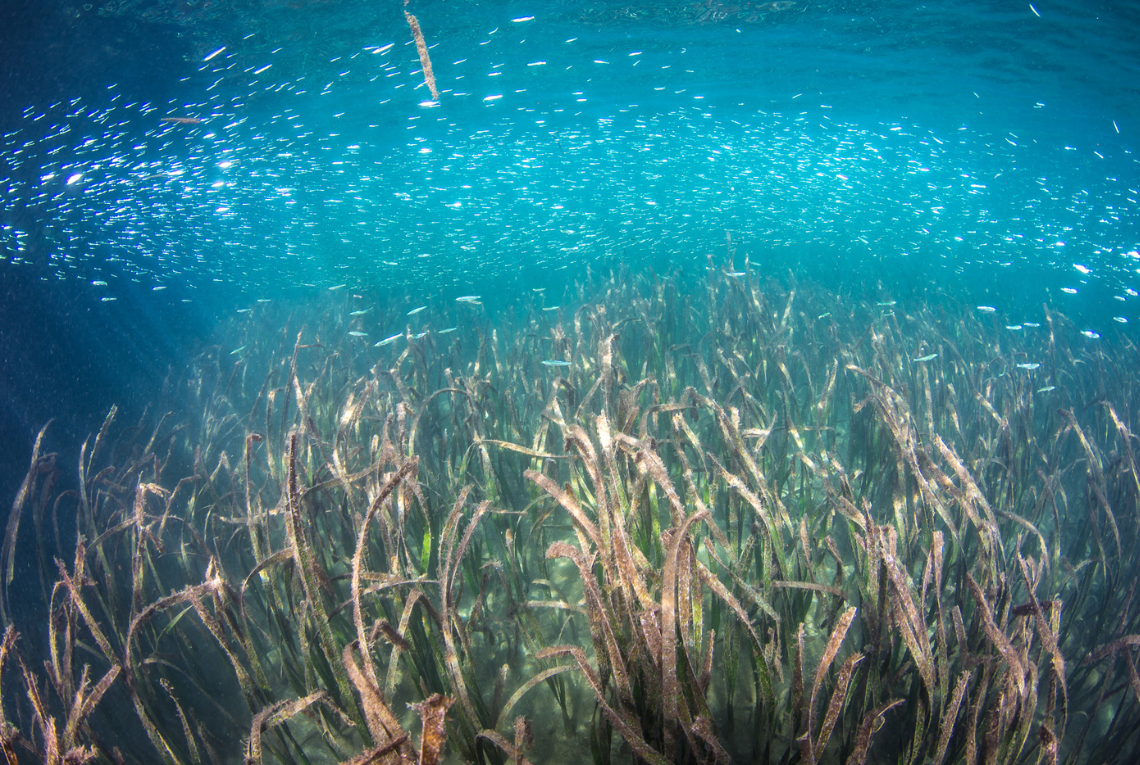
The project also found that resources are a major barrier to participation of Indigenous communities. Blue carbon projects involve complex tenure arrangements, technical studies and regulatory approvals. Many Indigenous groups and organisations lack access to independent legal, financial and other technical advice. Indigenous participants in consultation emphasised the need for more accessible publicly available information about blue carbon, capacity building workshops, and funding for project start-up and advice.
The recent findings of the hub project were shared at the 2026 ICIN-led National Indigenous Carbon Forum (NICF) in February in Darwin- alongside the 8th Savanna Fire Forum. These forums bring together Traditional Owners and ranger groups, Indigenous carbon project developers, researchers, government agencies, standards bodies, investors and corporate buyers.
During this session, Tradition Owners from Yanyuwa Country and Girringun clans shared stories about their experiences with blue carbon. Presenters spoke about the opportunities the environmental and economic benefits that blue carbon projects might offer, the importance of groups leading projects themselves, being careful about who you partner with if you do, and how these projects can also support people to pass on knowledge to younger generations.
ICIN noted that Principles for Engagement with Indigenous people requires recognition of Indigenous rights and interests, working in line with the principles of free, prior and informed consent, transparent communication about opportunities, and strong Traditional Owner governance to oversee project design, implementation and compliance.
“It’s important to make sure that you have ownership of the project. It’s your country and you have to make sure that the maximum benefits from your country go to your mob.”
Jacob Cassady, Nywaigi Traditional Owner
“The key thing is to have proper governance so people don’t come through the side door. When people come onto our country and want to deal with us, they need to know the ground rules.”
Jacob Cassady, Nywaigi Traditional Owner
“Blue carbon presents a real opportunity for Indigenous groups, but only if Indigenous rights are recognised from the outset. Projects must be Indigenous-led and grounded in free, prior and informed consent.”
Anna Boustead, ICIN Chief Executive Officer
This project has laid the groundwork for a more Indigenous-led and equitable approach to blue carbon and environmental markets. By clarifying Indigenous rights and interests, realistic project opportunities and amplifying Indigenous voices, it supports a future in which Indigenous people can lead the way on delivering climate solutions that also deliver long-term benefits for Indigenous communities.
Further information
Indigenous Carbon Industry Network website.
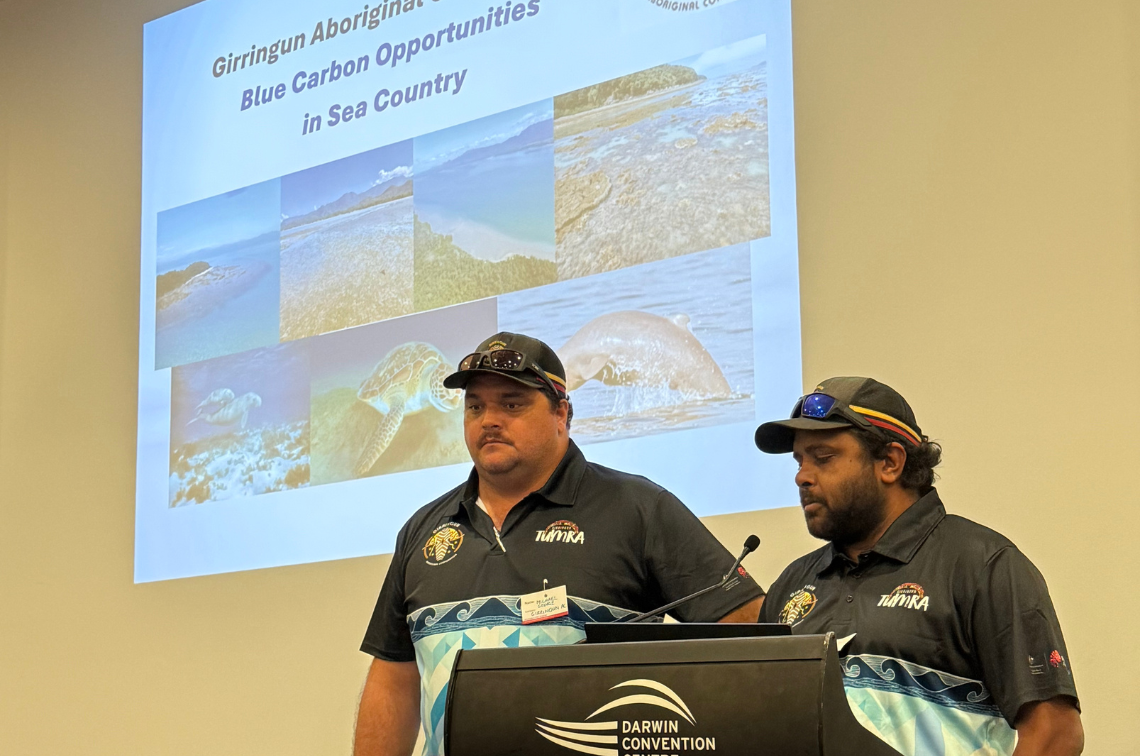 Jordon Mooka and Michael George, Girringun Aboriginal Corporation. Image: Genevieve Schulz, ICIN
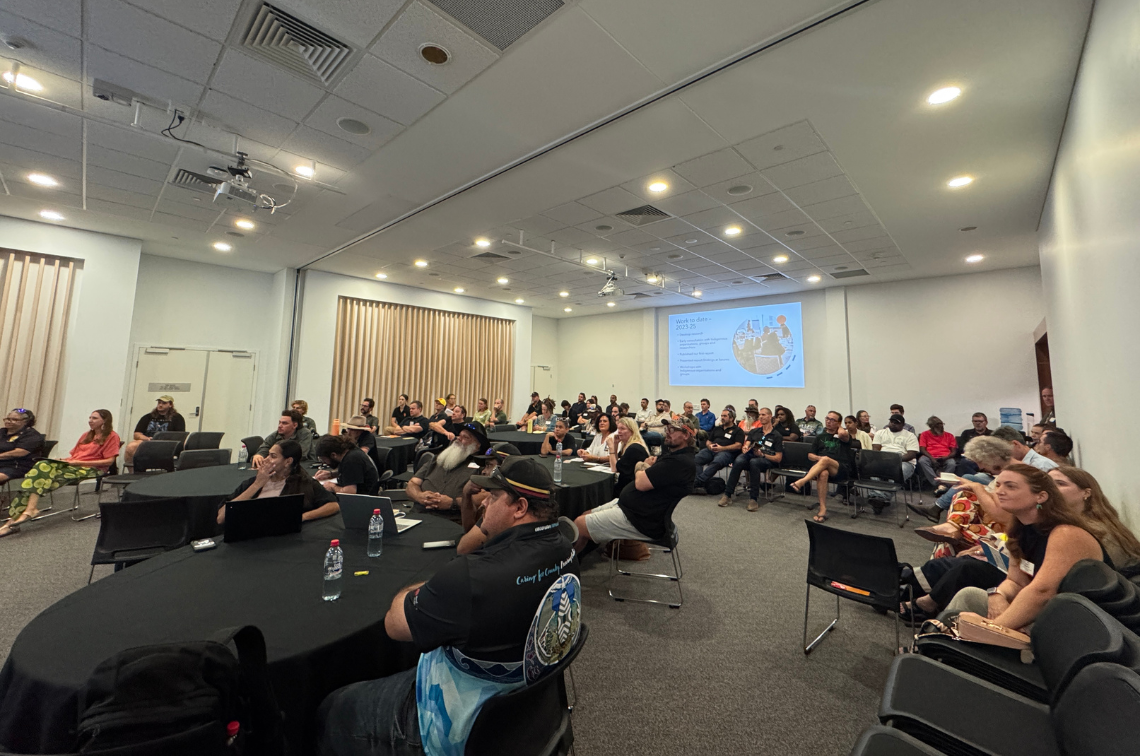 NICF Blue Carbon Workshop, February 2026. Image: Genevieve Schulz, ICIN
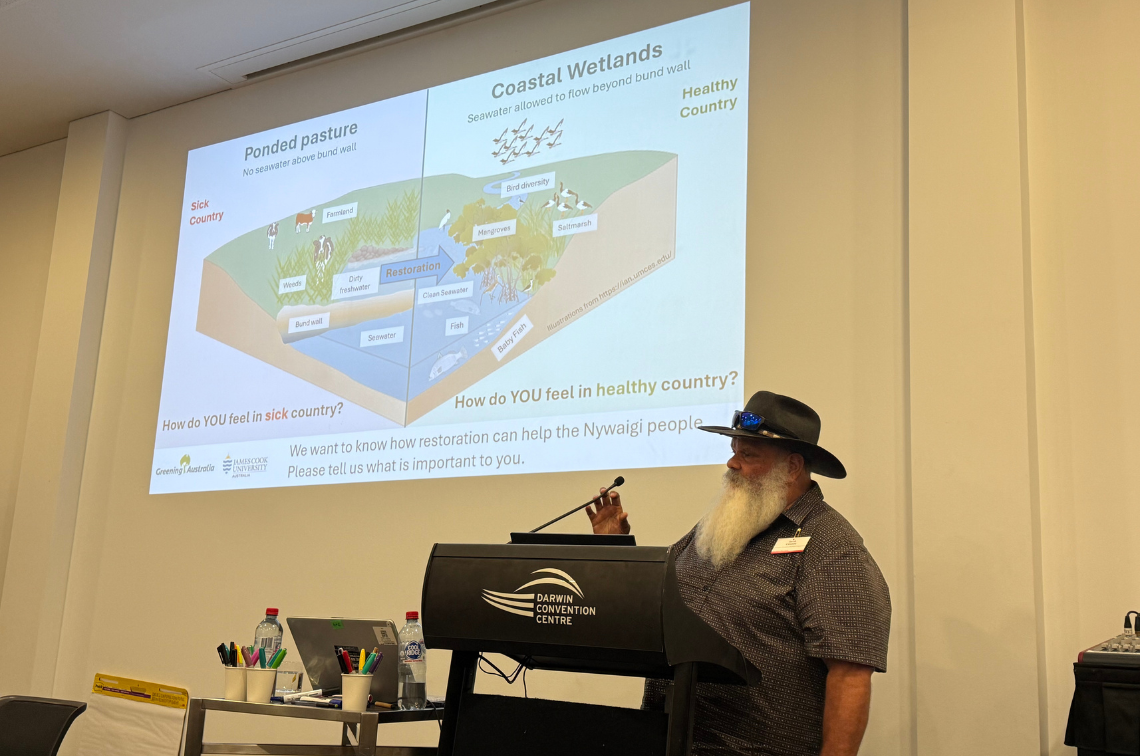 Jacob Cassady, Managing Director, Mungalla Station. Image: Rachel Groom, CDU
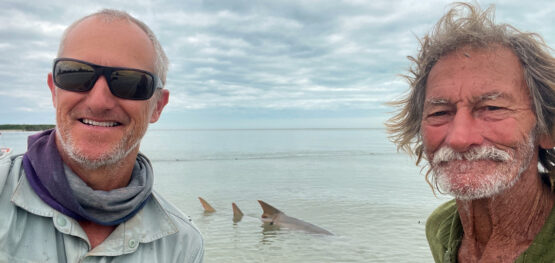
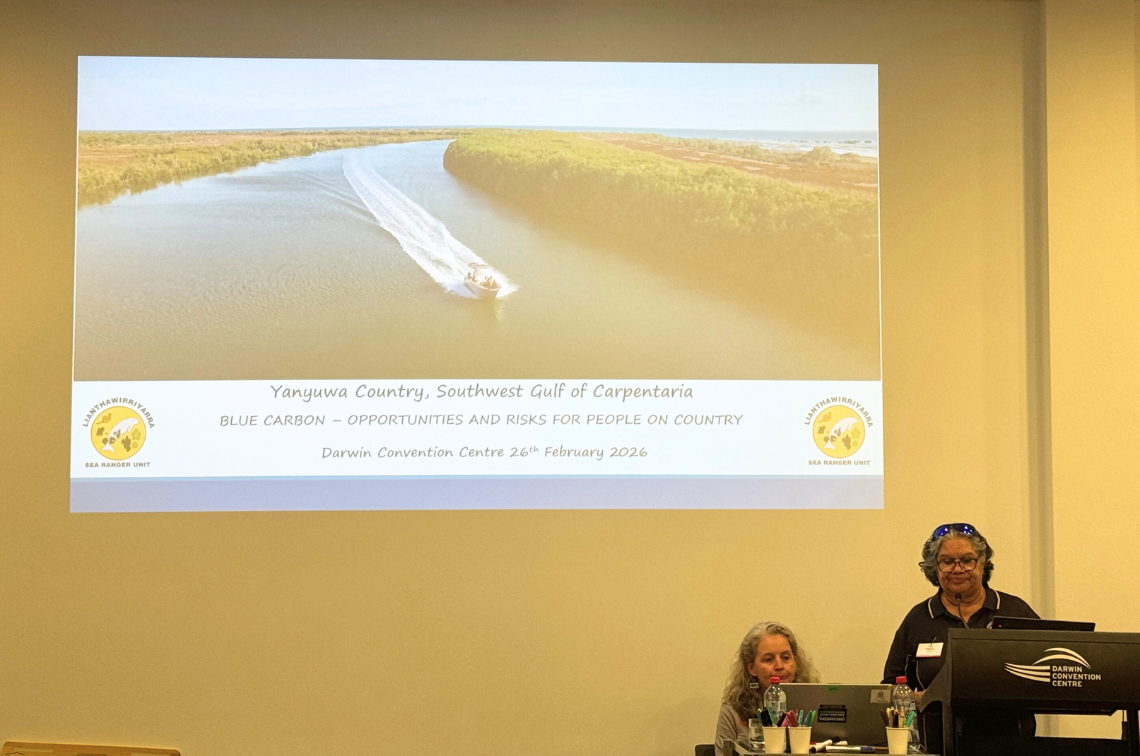 Rachel Groom, Senior Research Fellow, Charles Darwin University; Fiona Keighran, Coordinator, li-Anthawirriyarra Sea Ranger Unit. Image: Genevieve Schulz, ICIN
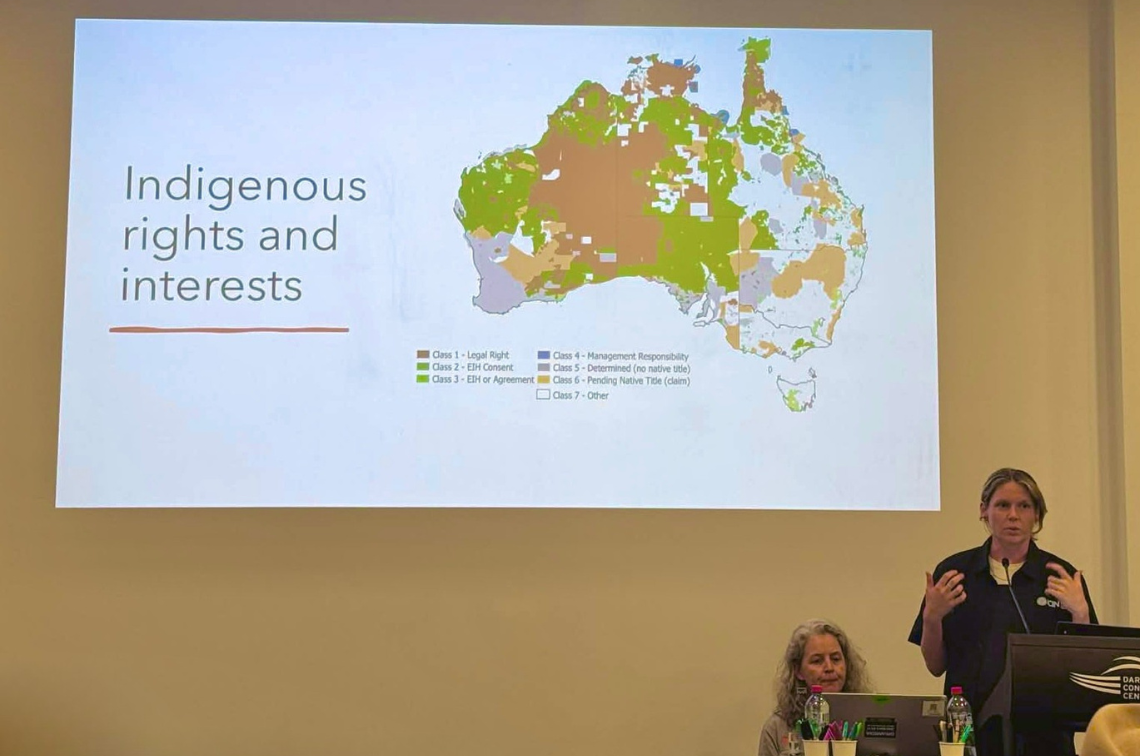 Rachel Groom, Senior Research Fellow, Charles Darwin University; Genevieve Schulz, Policy Manager, ICIN. Image: Genevieve Schulz, ICIN