Newsletter
17 March 2026
Welcome to the March 2026 issue of The Blue Drummer, the newsletter of the National Environmental Science Program (NESP) Marine and Coastal Hub.
This month we announce four new collaborative projects in response to the harmful algal bloom in South Australia. The projects will work to help raise Australia’s preparedness for such events through improved ecological understanding, coastal habitat monitoring and assessment, and national coordination.
Another study with national reach has demonstrated a framework for evaluating how coastal restoration projects are monitored. It used projects on the hub-funded Australian Living Shorelines database to show that collective monitoring data can build the evidence base for upscaling different nature repair techniques.
On Tebrakunna Country in far north-eastern Trouwerner/Loetrouwitter/Tasmania, the Melaythenner Teeackana Warrana (Heart of Country) Aboriginal Corporation is driving a project involving all four NESP hubs. They’re developing a Healthy Country Plan and a framework for strengthening the community’s social and emotional wellbeing.
In Western Australia, helicopters and drones are being used for the first time to survey Australian sea lion colonies on Wudjari Country off Kepa Kurl (Esperance). Wudjari drone pilots and cultural advisors are also gaining access to islands unseen by their community for a long time. In other sea lion research, an Australian sea lion fitted with an underwater camera has produced the first direct evidence of mother passing on foraging skills to her pup.
In northern Australia, the successful tagging of more than 20 sawfish in collaboration with the fishing industry is providing a clearer picture of sawfish survival and ecology. For seagrass habitat, a synthesis of more than 100 years of data has provided impetus for ranger-led Sea Country monitoring in Western Australia and the Northern Territory.
For Indigenous communities, blue carbon markets present potential economic benefits alongside caring for Country. Indigenous Engagement Guidelines developed in a hub project were shared at a forum that reinforced the importance of applying Indigenous rights, self-determination and genuine partnership in environmental market participation.
This issue also links to our March Offshore wind farm environmental research update.
We hope you enjoy our stories!
Alan Jordan, Marine and Coastal Hub southern node leader
Damien Burrows, Marine and Coastal Hub northern node leader
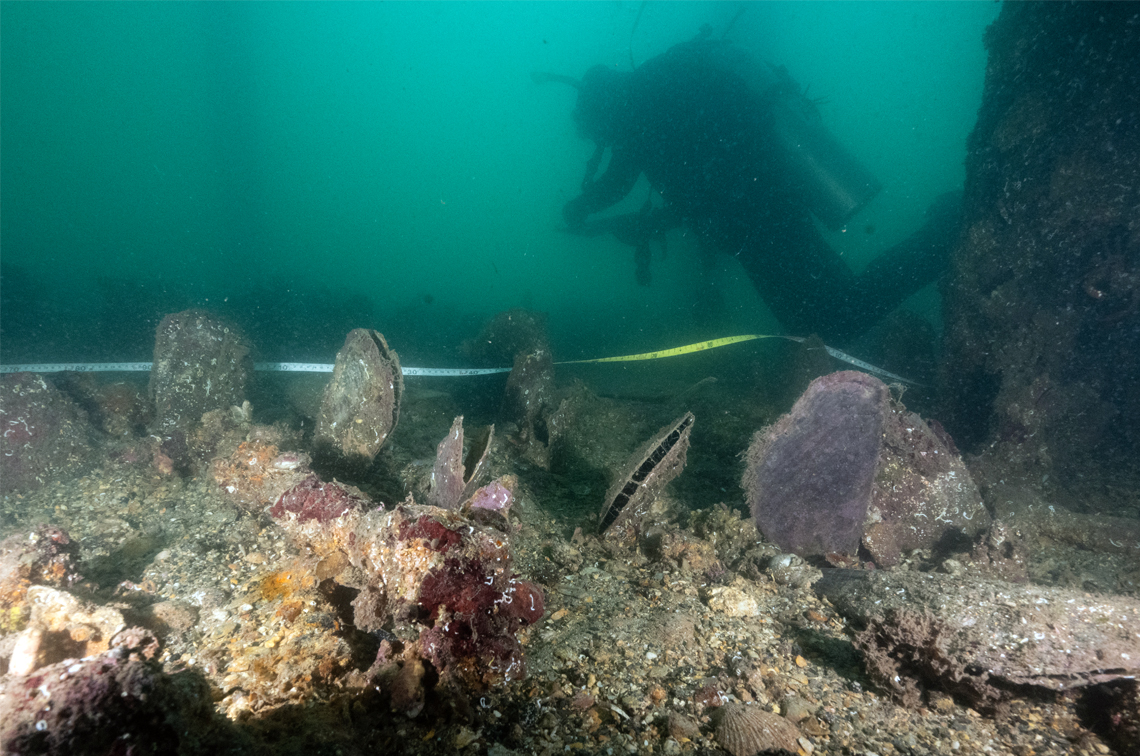
Being better prepared for harmful algal blooms
Four new hub projects aim to advance monitoring, ecological understanding and national preparedness for harmful algal blooms.
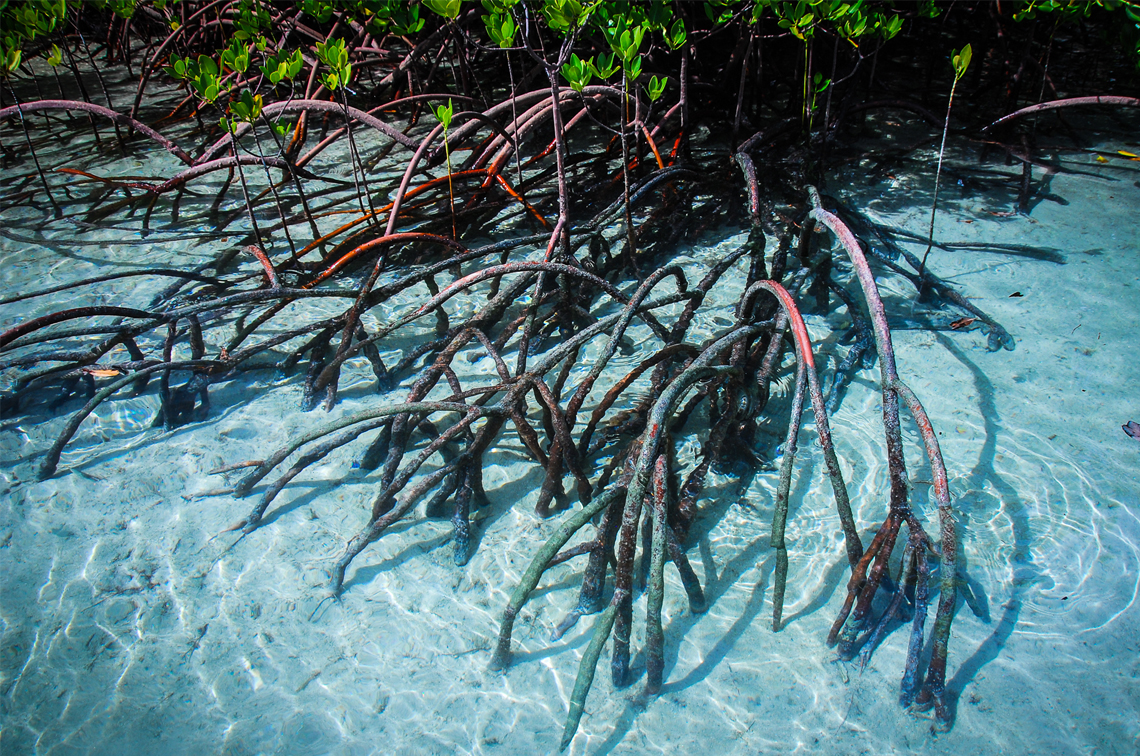
Building an evidence base for living shorelines
A new framework to help assess the strength of evidence supporting approaches to coastal nature repair.
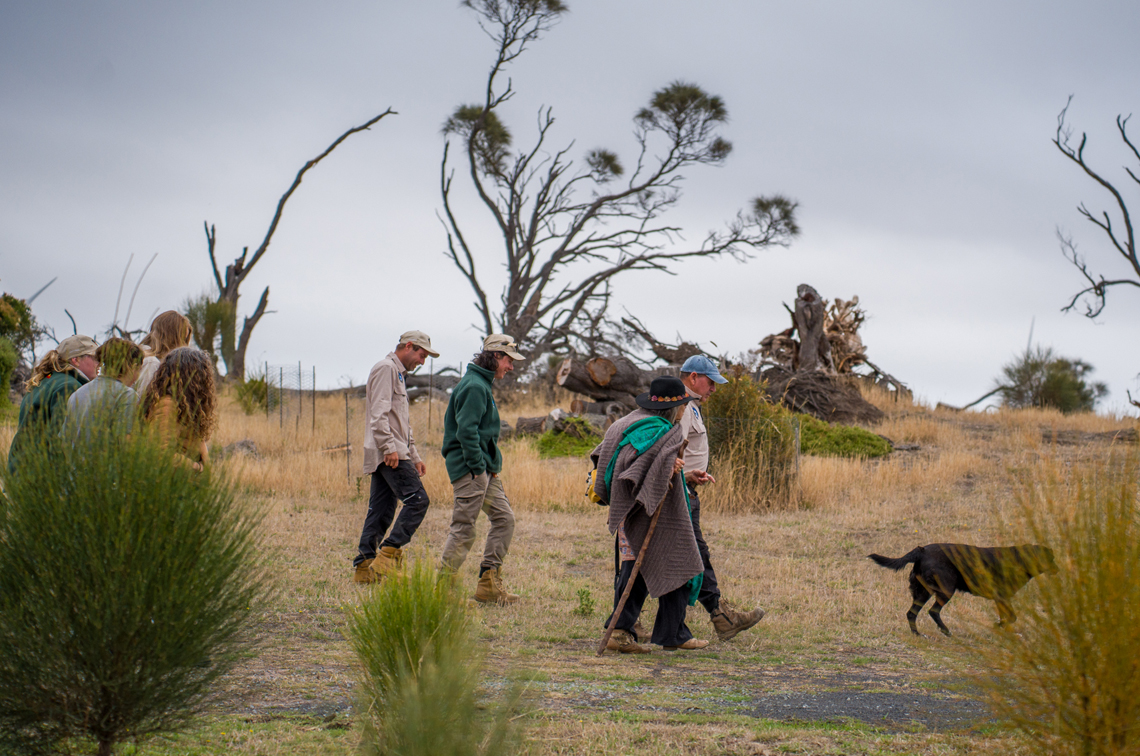
Walking shared paths on Tebrakunna Country
Cultural leadership and reciprocal learning are being woven into strategies for improving the health of Country and people.
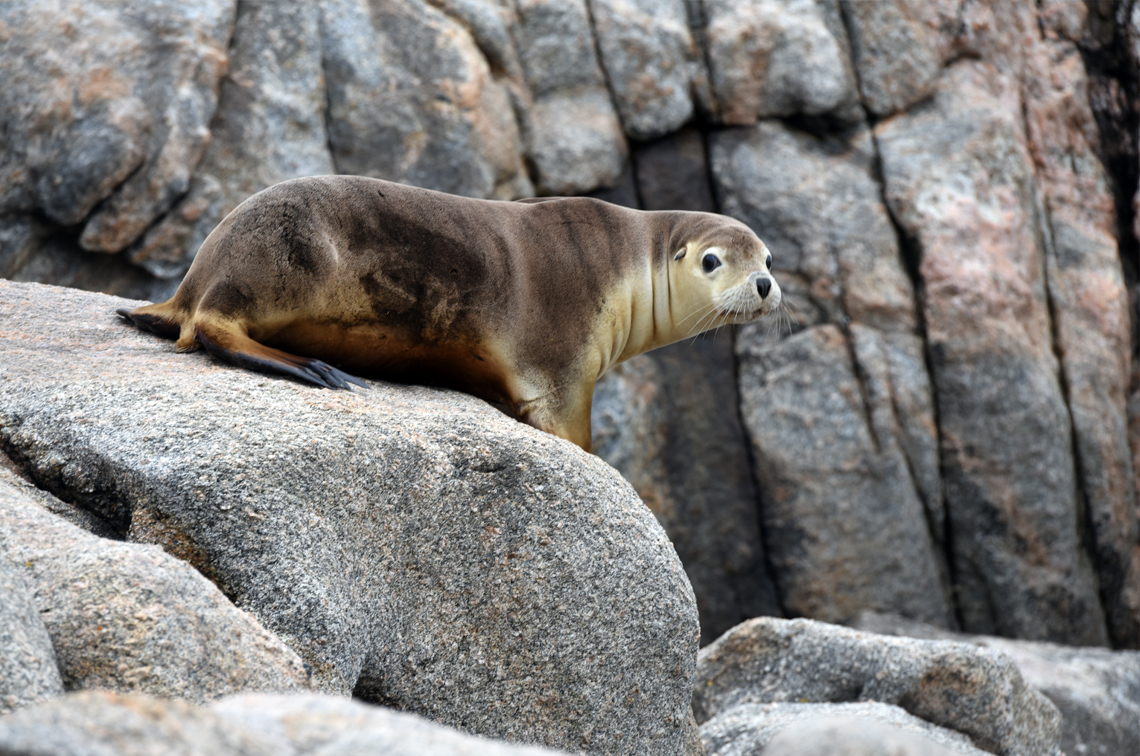
Time-travelling with Australian sea lions
It takes helicopters, drones and sharp eyes to catch up with sea lion breeding colonies on Wudjari Country.
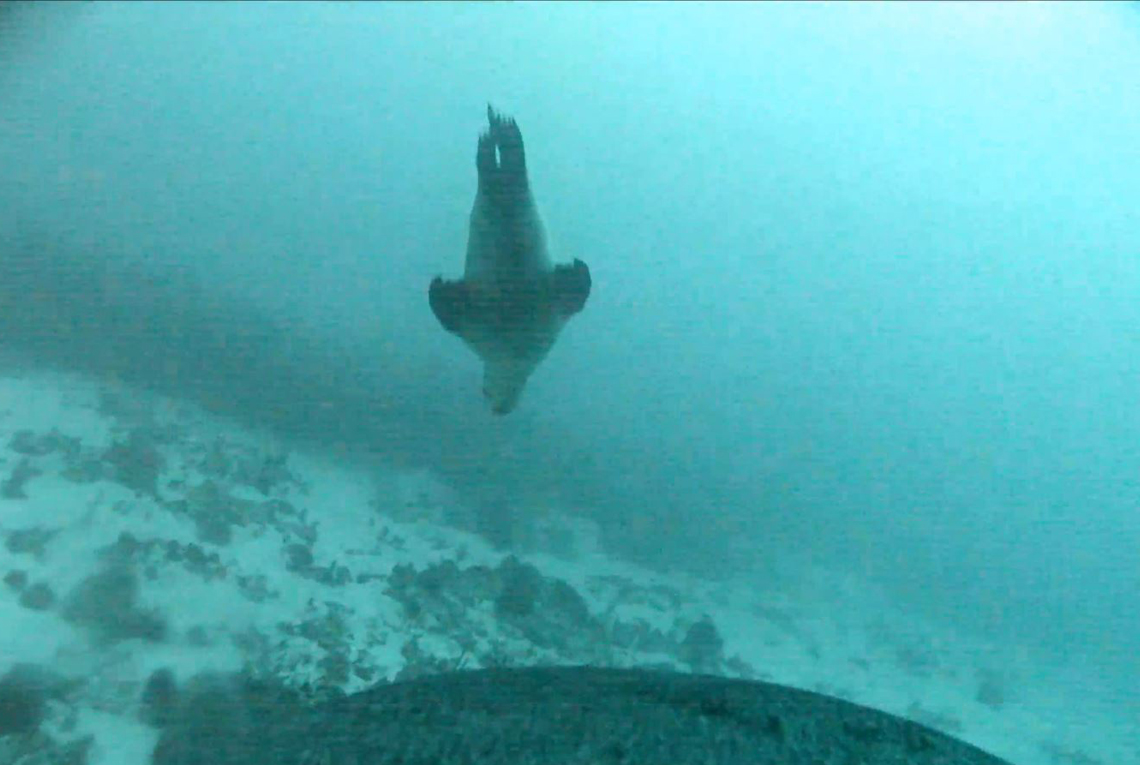
To catch a cuttlefish
A camera attached to a sea lion has recorded the first direct evidence of an Australian sea lion mother teaching foraging skills to her pup.
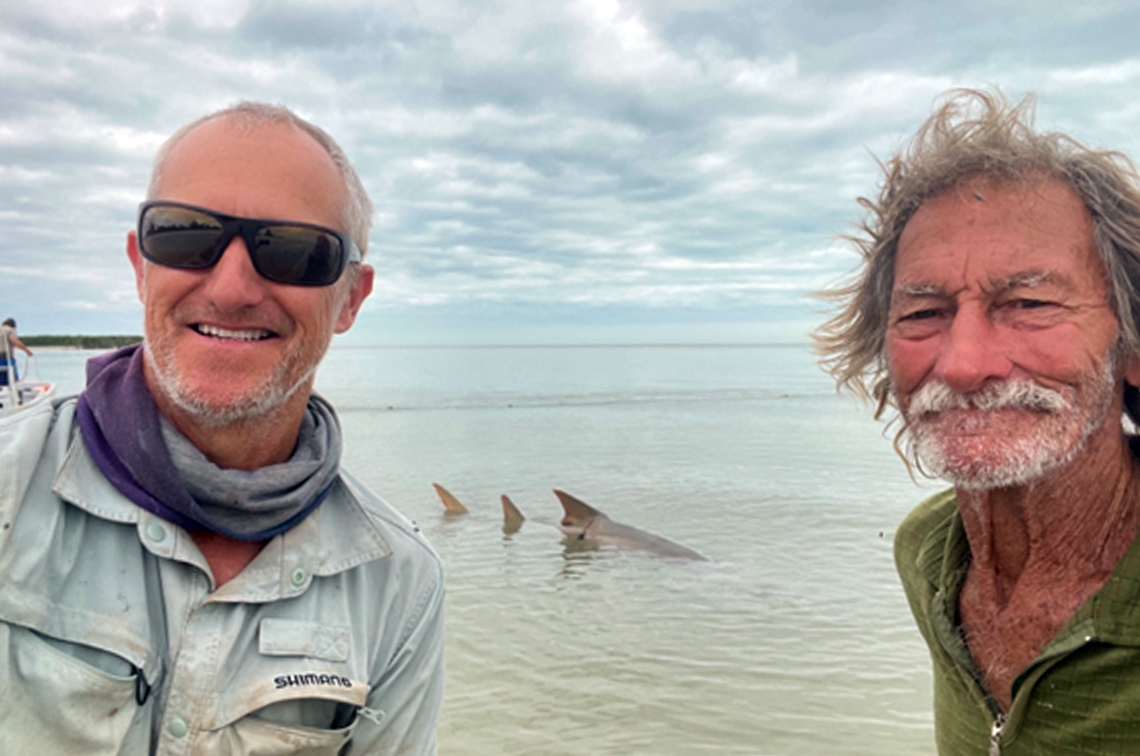
Strong survival rates for tagged sawfish in the Gulf of Carpentaria
Collaboration between scientists and fishers is delivering conservation benefits for sawfish.
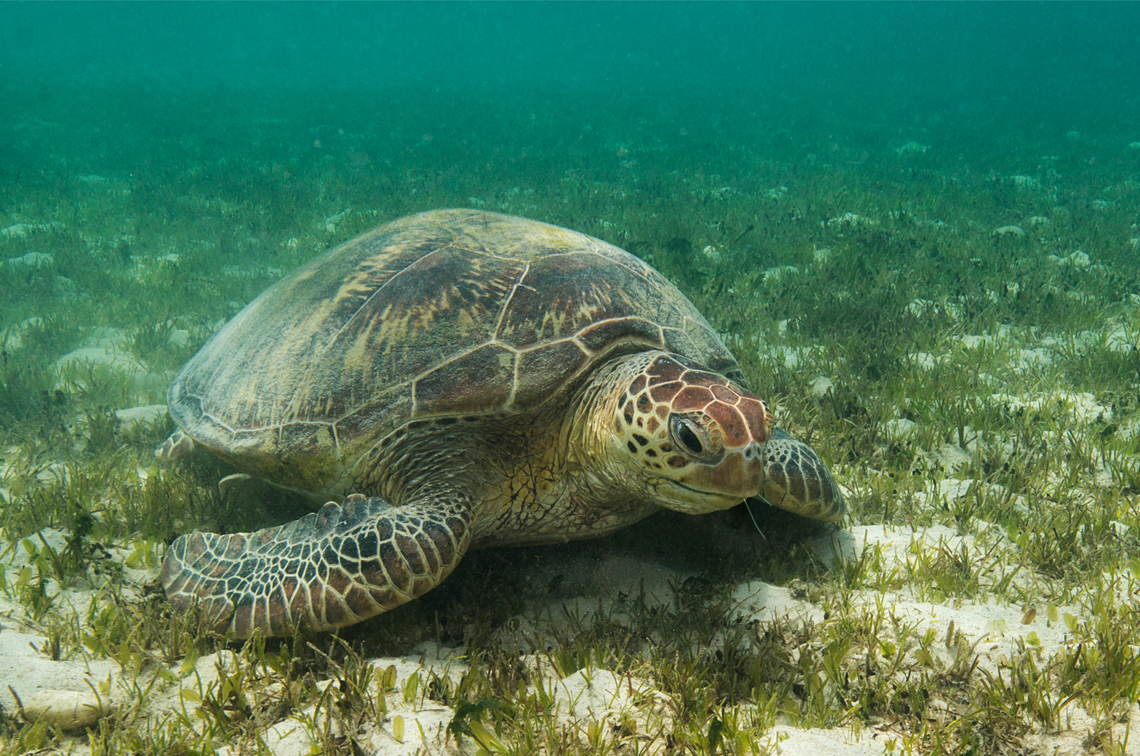
A century of shared seagrass data lays a path for monitoring
Accurate, accessible seagrass mapping is providing a springboard for Indigenous-led Sea Country management.
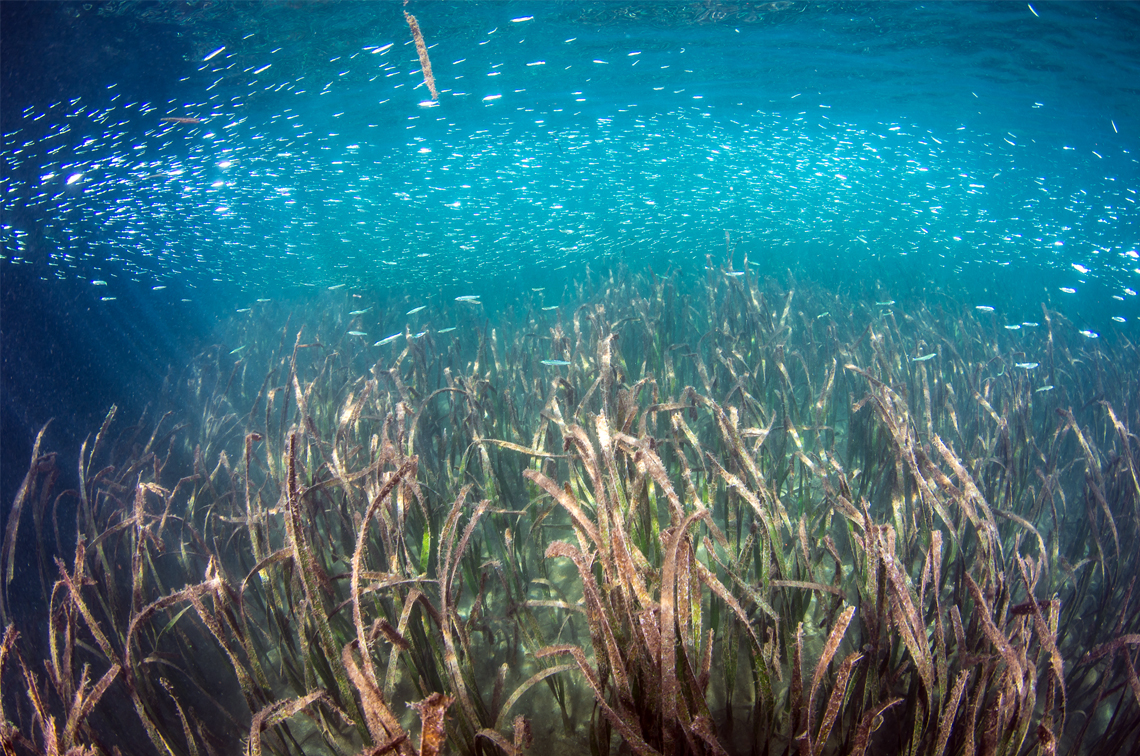
Blue carbon: opportunities and risks for Indigenous People
Laying the groundwork for a more informed and equitable approach to blue carbon and environmental markets.
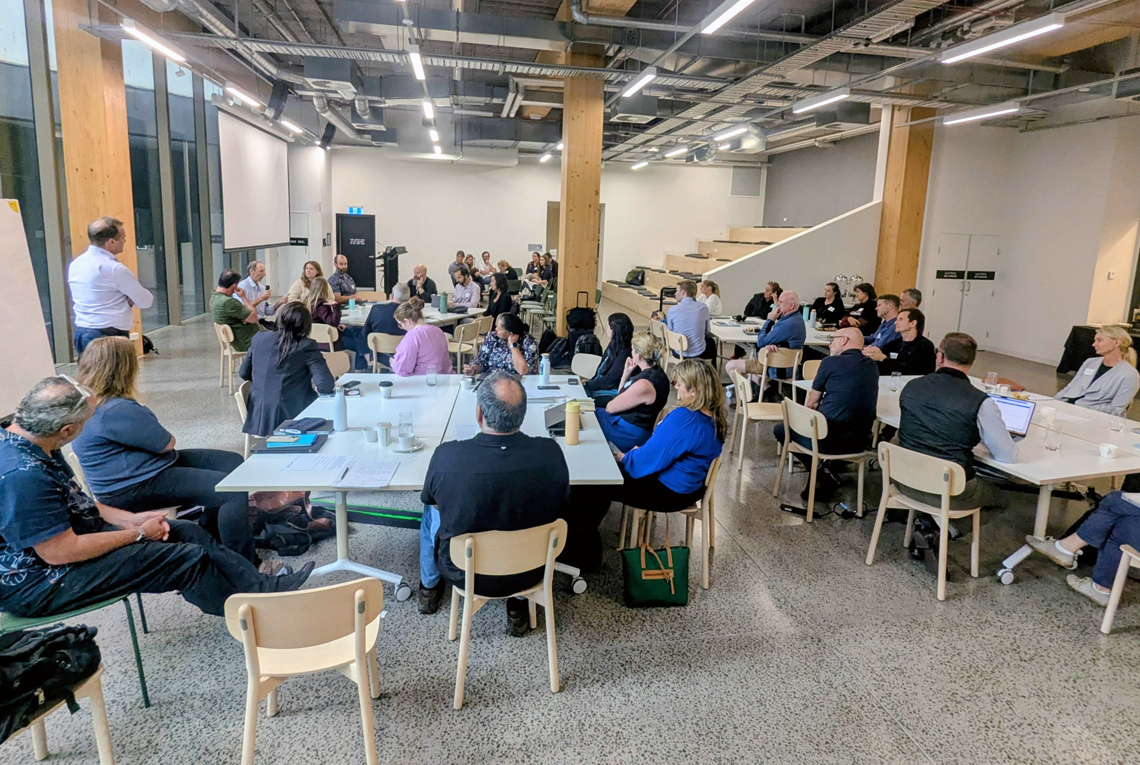
March Offshore wind environmental research update
This issue features the Offshore Renewable Energy Research Consultative Group and the 2026 Shared Horizons workshop.