
Webinar 8
Wednesday 25 November, 1.00 pm–2 pm.
Project 4.10: De-risking nature repair activities in Australian coastal and marine ecosystems
Investment in nature repair for Australia’s marine and coastal ecosystems is growing, driven by global targets to reverse the decline of biodiversity and protect shorelines. Nature repair investors and practitioners need evidence providing insights about what methods deliver the desired outcomes and how associated risks can be effectively managed. It is also critical that Australia adopts a nationally coordinated approach to achieve national restoration targets.
This webinar presents evidence on the outcomes and risks for restoring coastal habitats in Australia, including shellfish reefs, saltmarsh, mangrove and seagrass habitats. New evidence about risks associated with permitting and climate change are provided. Insights and options for improving national coordination are outlined, including recent enhancements to national-scale knowledge exchange and networking.
Presentation 1 – Outcomes and risks to restoration: Megan Saunders, CSIRO
An overview of collated evidence on outcomes and risks for past and current investments in coastal restoration in Australia.
Presentation 2 – Permitting risks: Justine Bell-James, The University of Queensland
New insights about risks associated with permit requirements for restoration, including how perceptions of restoration risks vary across stakeholders and options managing these risks.
Presentation 3 – Climate change risks: Rebecca Morris, The University of Melbourne
An overview of evidence on how climate change may affect outcomes of past and current investments in coastal restoration and nature-based solutions.
Presentation 4 – The Australasian Coastal Restoration Network (ACRN) and options for national coordination: Nathan Waltham, James Cook University
An overview of the key elements required to achieve a nationally coordinated approach to coastal restoration and how advances with knowledge exchange and networking are contributing to national coordination.
The Q&A session will be held at the end of the presentations, and audience members are also welcome to post questions in the chat throughout the webinar.
Please feel free to share this webinar with others who may be interested, including relevant groups and networks.
Videos from previous webinars
Threatened and migratory species and ecological communities
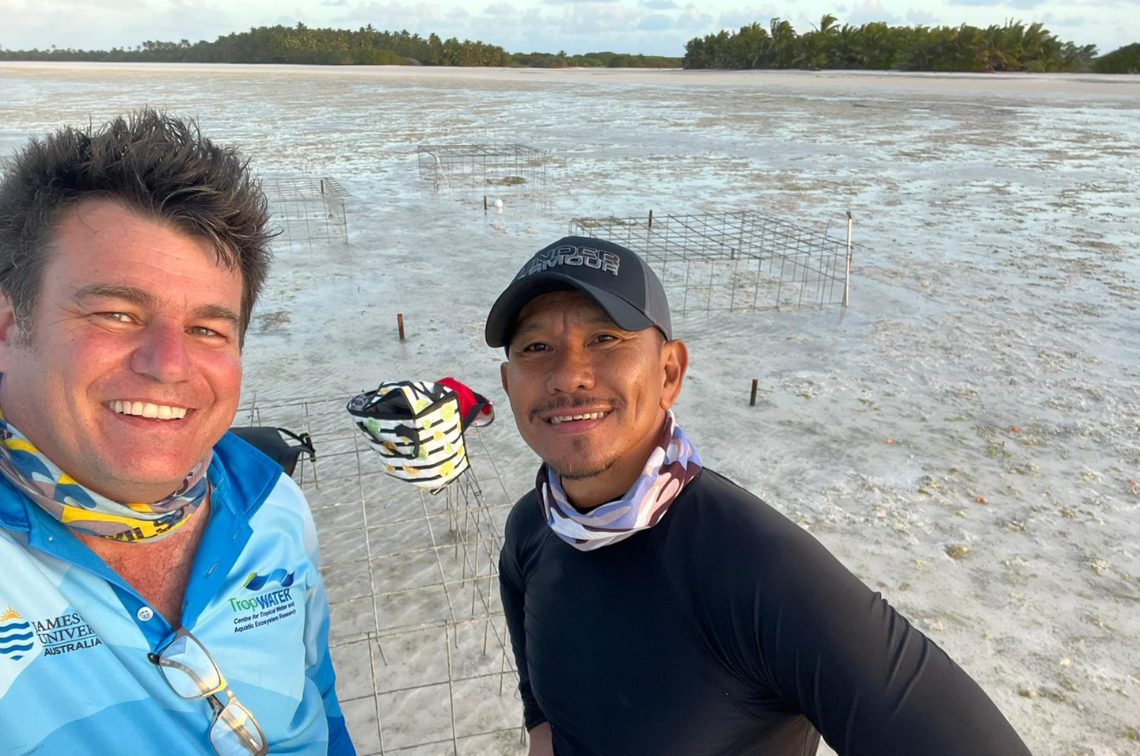
On 7 October 2026, the Marine and Coastal Hub presented research on restoring seagrass meadows in the Cocos (Keeling) Islands and improving sea snake monitoring through collaboration with commercial fishers.
Improving knowledge for southern right whale conservation and management
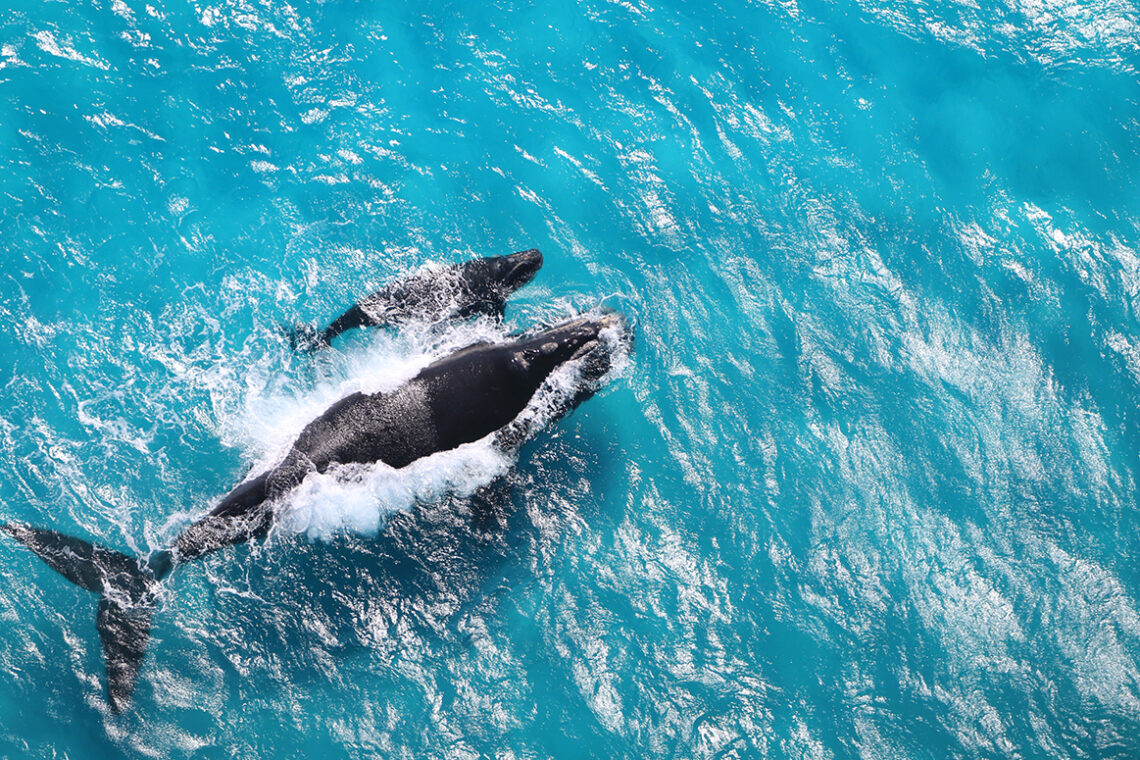
This Marine and Coastal Hub webinar held on 17 September 2026 shared hub research on southern right whale monitoring, aggregation areas, and approaches to improving data effectiveness.
Understanding and protecting migratory shorebirds in Australia
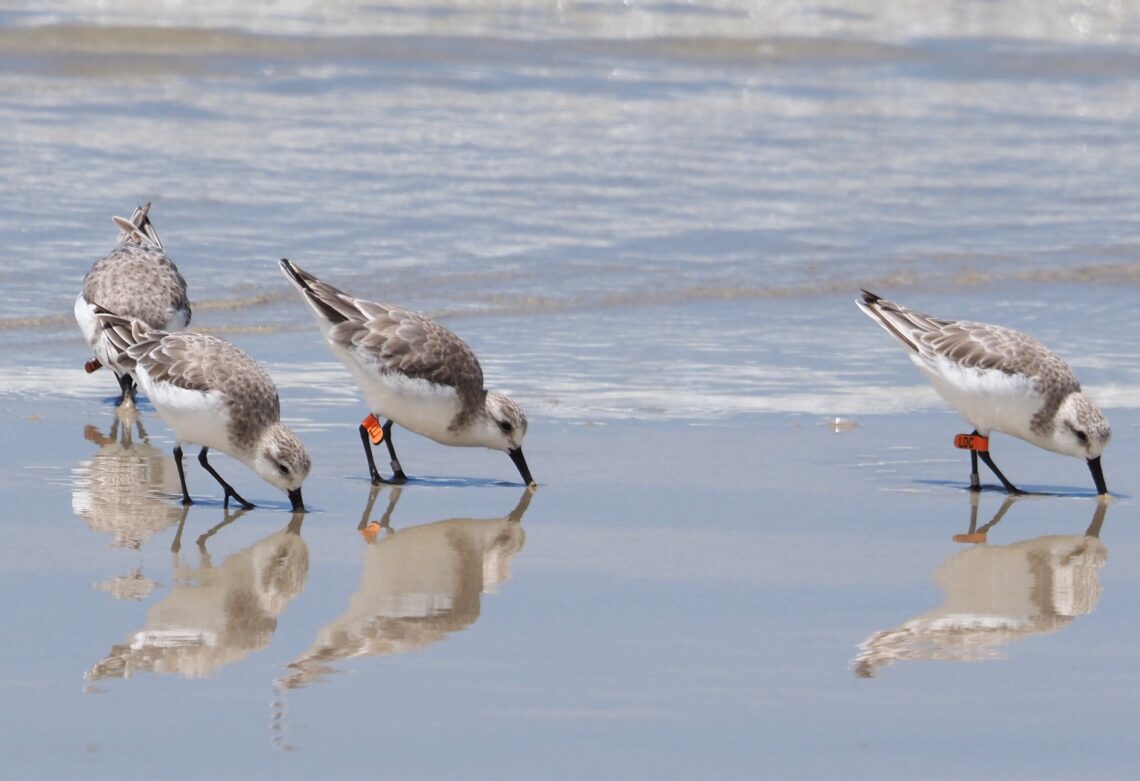
On 28 July 2026, the hub delivered a webinar providing an overview of two national research projects designed to support the recovery, management and protection of Australia’s migratory shorebirds.

Monitoring impacts on the Great Barrier Reef
On 27 May 2026, the hub delivered a webinar showcasing research to improve the use of citizen science data for monitoring the Great Barrier Reef and for recording the impacts of extreme events such as Cyclone Jasper.
Mapping northern Australia’s hidden reefs
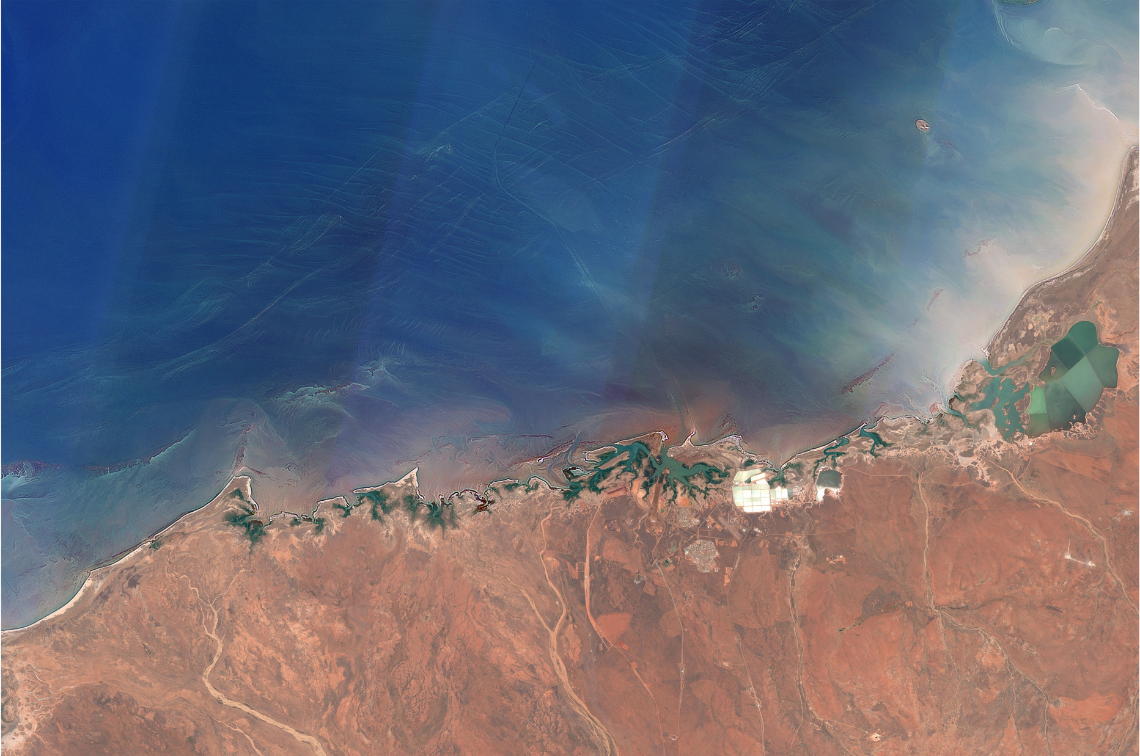
On 18 March 2026, the hub delivered a webinar showcasing new research to map and assess previously undocumented reef systems across northern Australia.