
Article
1 December 2025
Beneath the tropical waters of the southern Gulf of Carpentaria lies a series of coral reefs that are culturally important to Indigenous communities in this remote part of Australia.
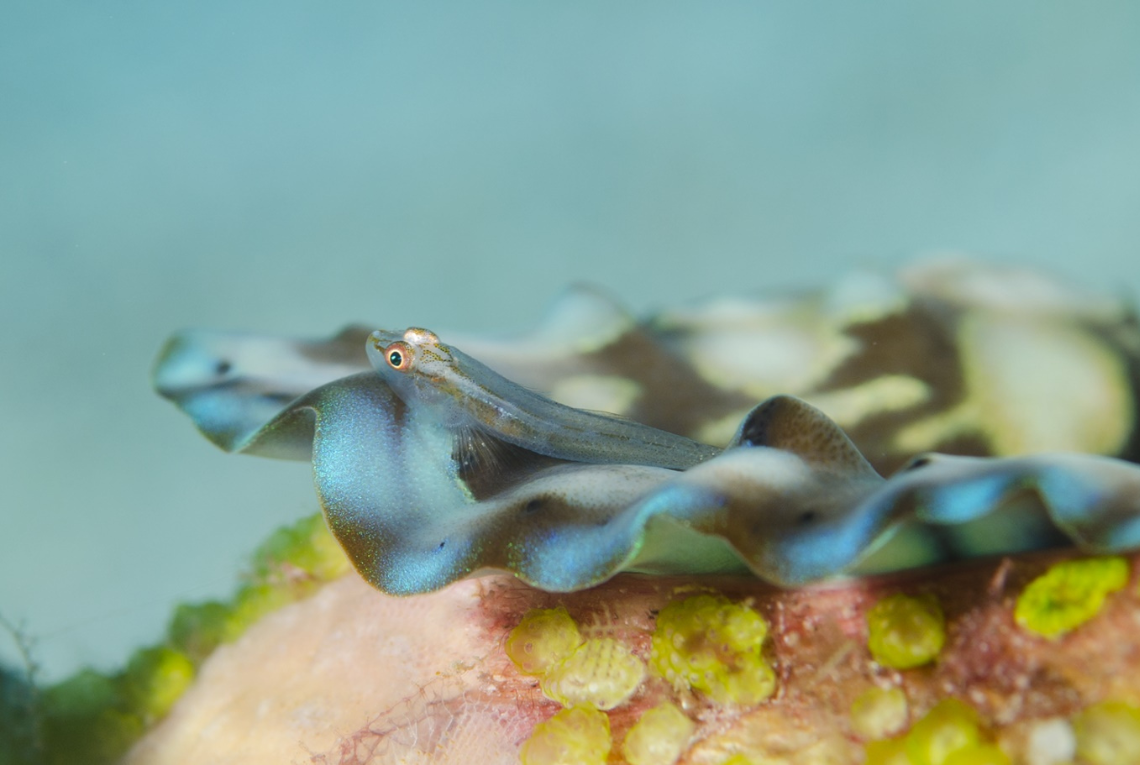
Few other people know the riches of these reefs. Some are steep-sided pinnacles that rise sharply from the seafloor, while others are large, submerged shoals or patch reefs. In the Gulf of Carpentaria Marine Park (GOCMP), established in 2018, these reefs support vibrant coral and fish communities that are only now beginning to be understood. Covering nearly 24,000 square kilometres, it is the Sea Country of the Lardil, Yangkaal, Kaiadlit, and Gangalidda peoples.
A Marine and Coastal Hub project set out to compile, synthesise, and analyse the limited available western scientific data on the coral reefs in the southern Gulf of Carpentaria, both within and adjacent to the GOCMP, and identify key knowledge gaps. This synthesis of the scientific information on the area’s environmental values and condition is necessary to inform an overall revision of the Marine Park Management Plan, which is scheduled for 2028.
Until now, scientific research on coral reefs in the Gulf has been limited. Most Australian coral reef science has focused on the Great Barrier Reef and Western Australia, leaving a large knowledge gap in the Gulf of Carpentaria. The research team reviewed historical multibeam sonar, identifying seven submerged reefs, five within the marine park, ranging from 18 to 20 metres deep.
The research team also examined data from two ecological surveys previously conducted in the area: one in 1997–1998 around the Wellesley Islands and another in 2010 and 2015 around the GOCMP.
Overall, species richness at the Wellesley Islands was found to be low compared with inshore reefs in the Great Barrier Reef. However, coral cover on southern Gulf reefs ranges from 10 to 40 per cent, similar to inshore reefs of the Great Barrier Reef, and the offshore reefs support more diverse and abundant fish communities than nearshore sites. These fish assemblages represent a distinctive blend of species from the Great Barrier Reef, north-western Australia, and the broader Indo-Pacific region, highlighting the region’s unique ecological position.
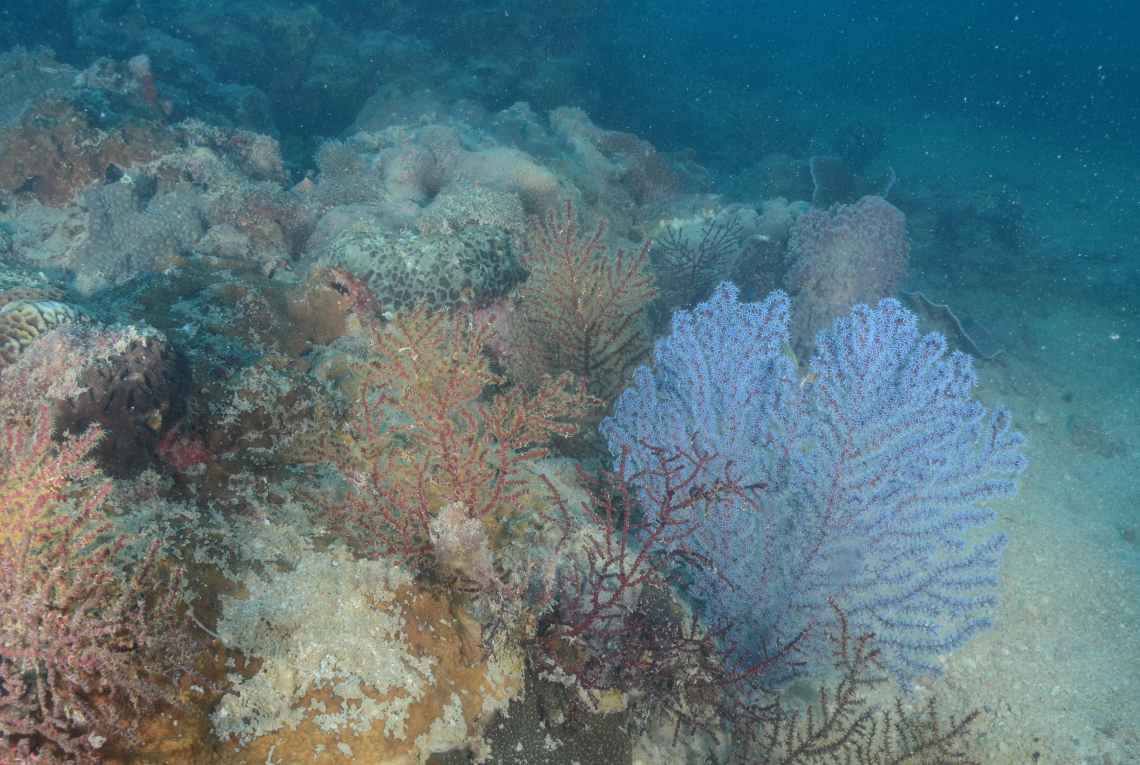
“The southern Gulf reefs are among Australia’s least-known coral systems to scientists, yet they hold surprising diversity and a unique combination of fish species,” project leader Dr Maya Srinivasan of James Cook University’s TropWATER said. “Our study brings together the first comprehensive synthesis of the scientific knowledge of these reefs.”
Beyond documenting what is known, the project has identified the many areas where knowledge is still lacking. The deep reefs of the Gulf remain largely unexplored, with no data on benthic or fish communities from below the depths accessible to divers. No surveys have been conducted within the Marine Park’s National Park Zone.
“Combining western science and Traditional knowledge will be essential for understanding and protecting these unique reefs. Our goal is to make the data accessible to Traditional custodians and stakeholders so they can guide future management.”
Dr Maya Srinivasan, JCU TropWATER
The team recommends that future research focus on both deep offshore reefs and the shallow fringing reefs of the Wellesley Islands, using new technologies such as remotely operated vehicles and community-based monitoring led by Indigenous ranger groups.
By focusing on these overlooked coral reefs, this project is helping to ensure that the Gulf of Carpentaria’s marine park and communities have the knowledge needed to care for one of Australia’s most remote and distinctive reef regions.
Related stories
Article
Making unseen reefs visible: new maps support better decisions for northern Australia’s marine life
Article
Tropical shellfish reefs mapped across northern Australia
Article
Not all reefs are rocky: new map sharpens focus on functional reefs across southern Australia
More stories