Article
14 March 2026
Four new Marine and Coastal Hub projects will address needs identified by Commonwealth and state agencies in response to the harmful algal bloom (HAB) in South Australia.
The HAB has been unprecedented in its scale, longevity and impact, causing massive disruption to the marine ecosystem, coastal communities and the economy. Toxic Karenia dinoflagellates have caused species deaths at all trophic (feeding) levels of the marine food web, from primary producers to top predators.
The risk of HABs is increasing due to climate-induced changes to the ocean such as marine heatwaves. Australia needs to be better positioned to provide early warning and manage and mitigate the impacts.
The four hub projects bring together university and state government researchers to:
- conduct surveys and contribute to developing a coastal habitat monitoring program;
- develop tools for assessing and tracking the condition of the marine food web;
- develop detailed understanding of the Karenia species and bloom impacts; and
- identify gaps in Australia’s HAB preparedness and recommend improvements.
These hub projects received more than $455,000 in funding through the Australian Government’s National Environmental Science Program.
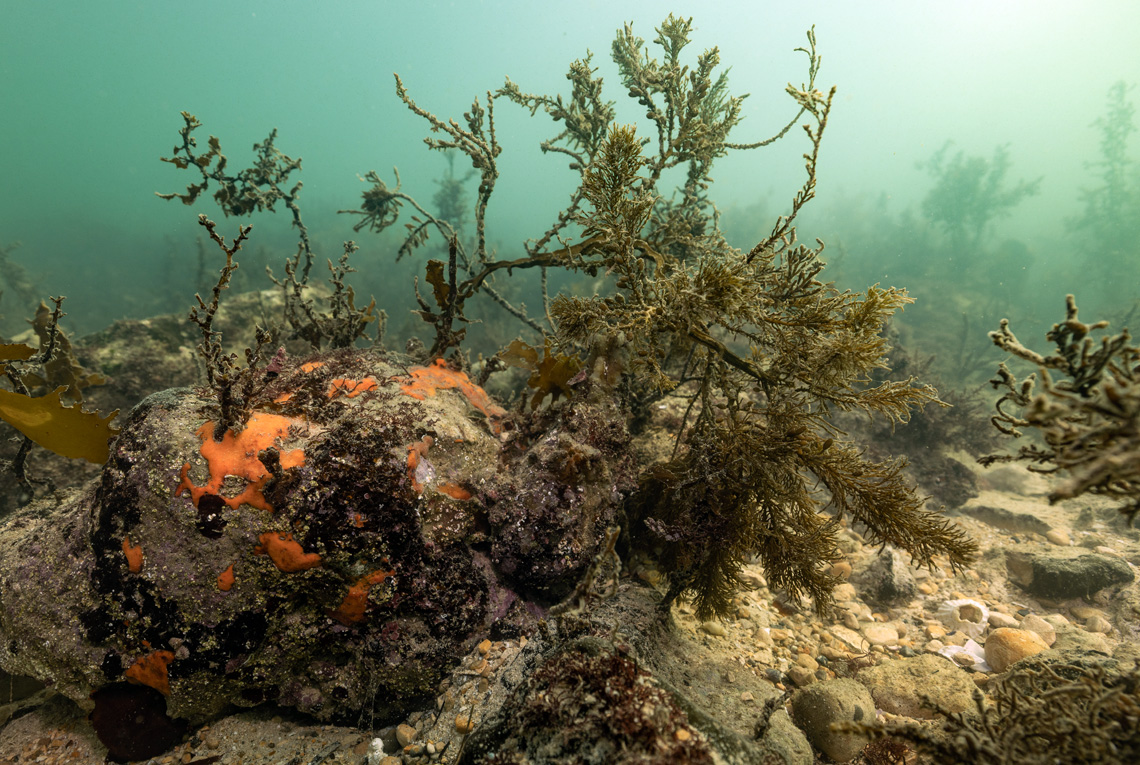
Project 5.12 – Assessing impacts of harmful algal bloom events on South Australian benthic habitats
This collaborative project involves the South Australian Research and Development Institute, The University of Adelaide and Flinders University. Benthic (seafloor) habitat imagery, fish surveys and environmental data will be combined to produce the first comprehensive assessment of HAB impacts on benthic ecosystems in South Australia.
The assessment will provide an evidence base for prioritising management actions including monitoring and future research. The project will also strengthen Australia’s national capability for HAB monitoring and assessment.
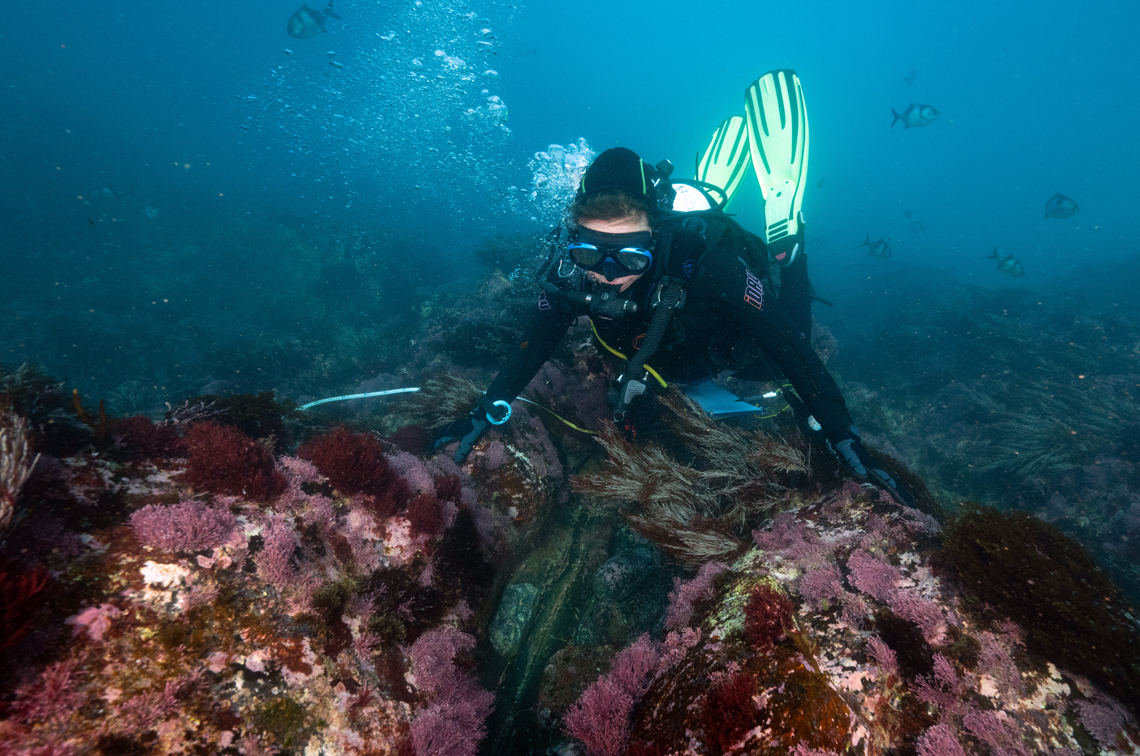
Project 5.13 – A trophic-ecology based tool to assess and manage HAB impacts on marine ecosystems
This collaborative project involves Flinders University, the South Australian Department of Environment and Water and the South Australian Environment Protection Authority. It will draw on biodiversity datasets and influencing factors to assess subtidal reef condition in areas of South Australia.
A decision-support tool will be developed to assess, track and predict the impact of events such as the 2025 HAB and marine heatwave, and visualise management actions such as spatial protection, habitat restoration and fishing closures.
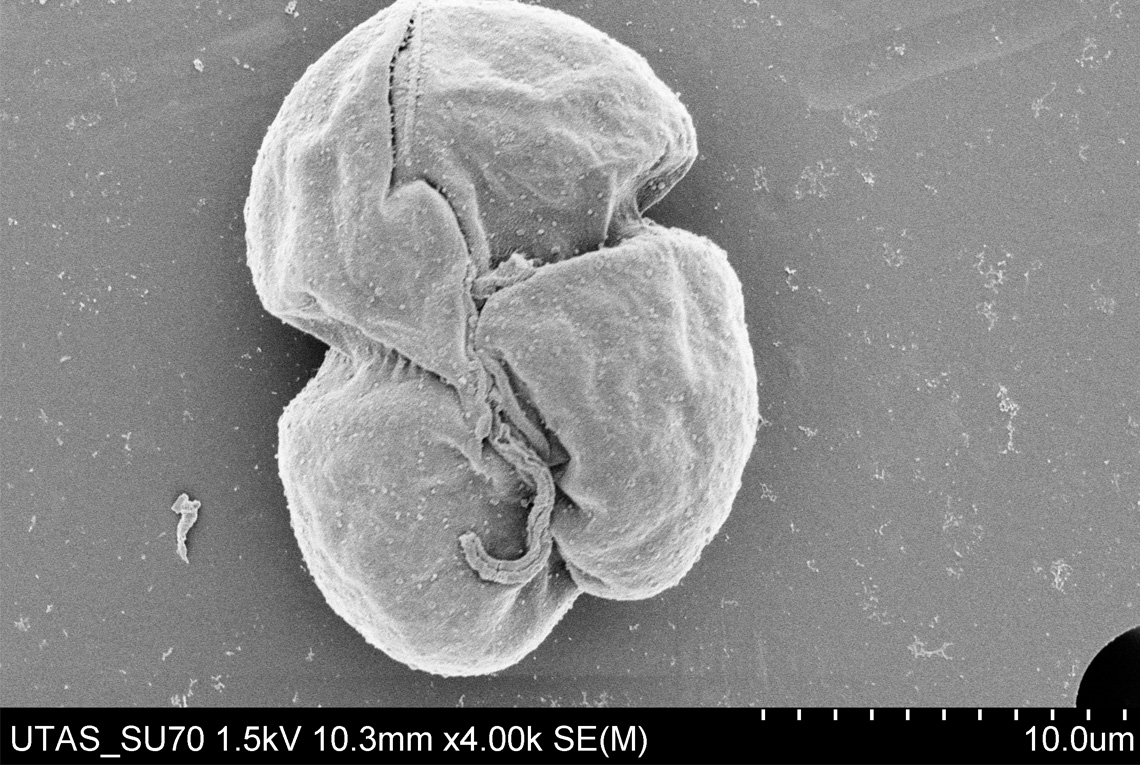
Project 5.14 – Learning from the field: a rapid assessment of the composition and ecotoxicology of the harmful algal bloom in South Australia
This collaborative project involves the University of South Australia, University of Technology Sydney and the University of Tasmania. It is investigating the composition, toxicology and variability of the Karenia species bloom across sites, depths, and stages.
The project findings may offer the first evidence of how different Karenia species and community structures influence ecological impacts. The new foundational dataset, methodological framework, local capacity and collaboration will support future research, long-term monitoring and management.
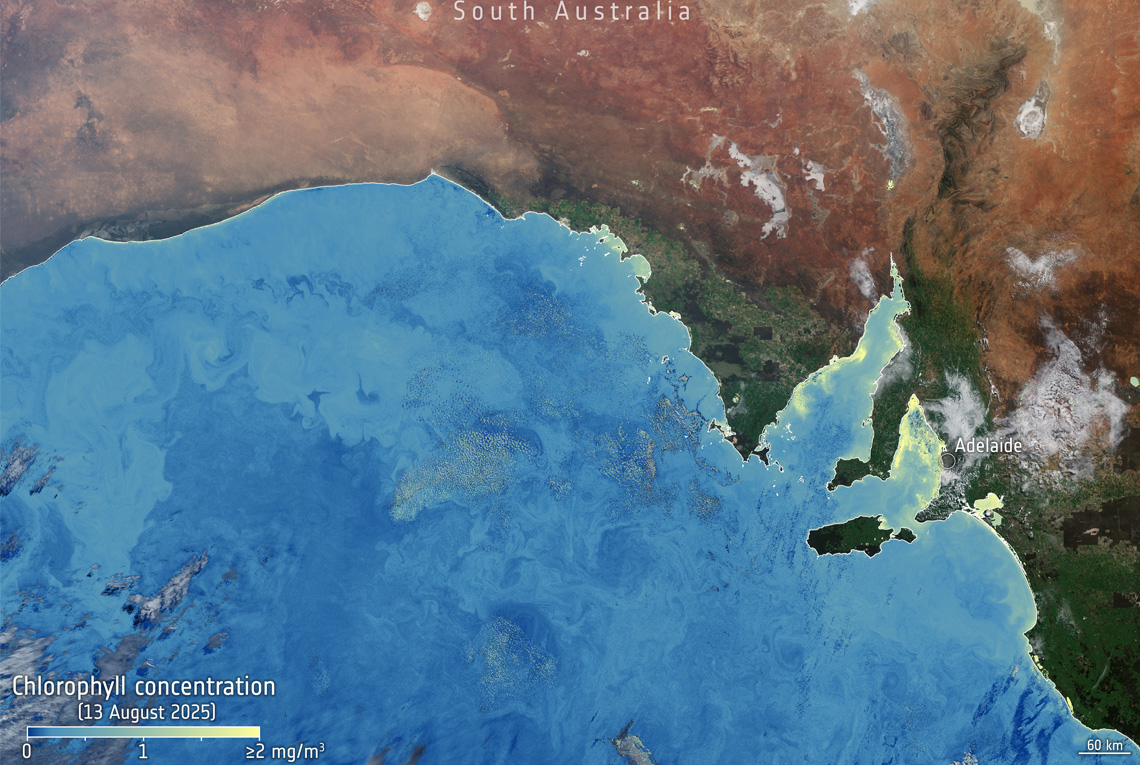
Project 5.15 – National assessment of harmful algal bloom preparedness and future needs
This project is a collaboration between University of Technology Sydney, Griffith University, University of Tasmania and the South Australian Research and Development Institute, and will work with stakeholders across Commonwealth, state and territory jurisdictions.
It will identify gaps in Australia’s HAB preparedness and provide recommendations to build strong science capability to respond to future events. This includes providing recommendations on developing a national decision-making framework, for consideration by end-users.