Article

3 June 2026

The Australasian Coastal Restoration Network (ACRN) has been connecting restoration researchers, practitioners and policymakers for almost a decade and has grown into a vibrant community extending across Australia and into the Pacific.

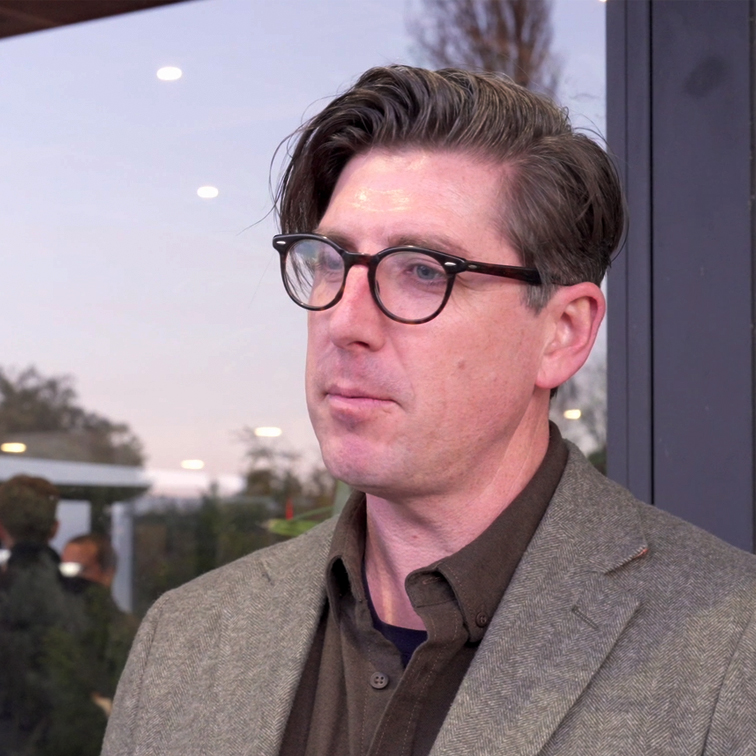
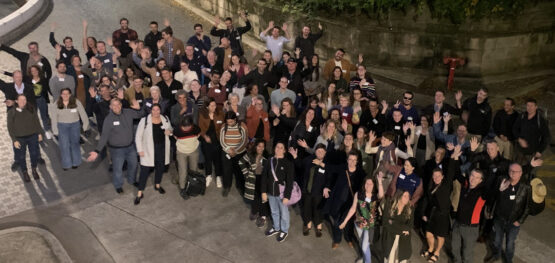
This month the ACRN published the first of three short videos capturing positive feedback from its third annual symposium held at Canberra last year (2025). Presentations at the event shared progress on government nature repair strategies and programs, restoration projects, and regulatory and technical challenges being tackled by researchers, industry, non-profit organisations and Traditional Custodians. Participants highlighted the value of sharing people’s diverse knowledge, experience, aspirations, challenges and solutions.
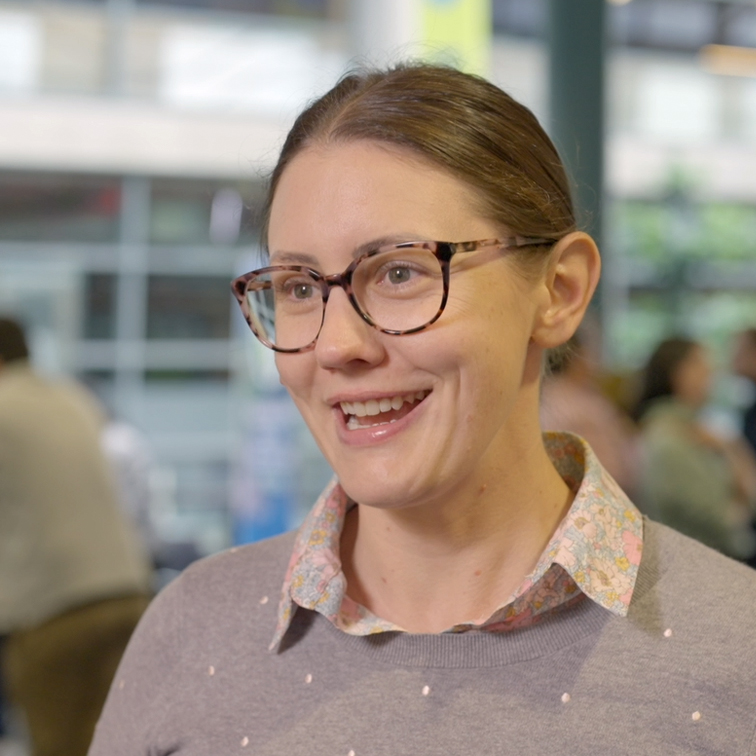
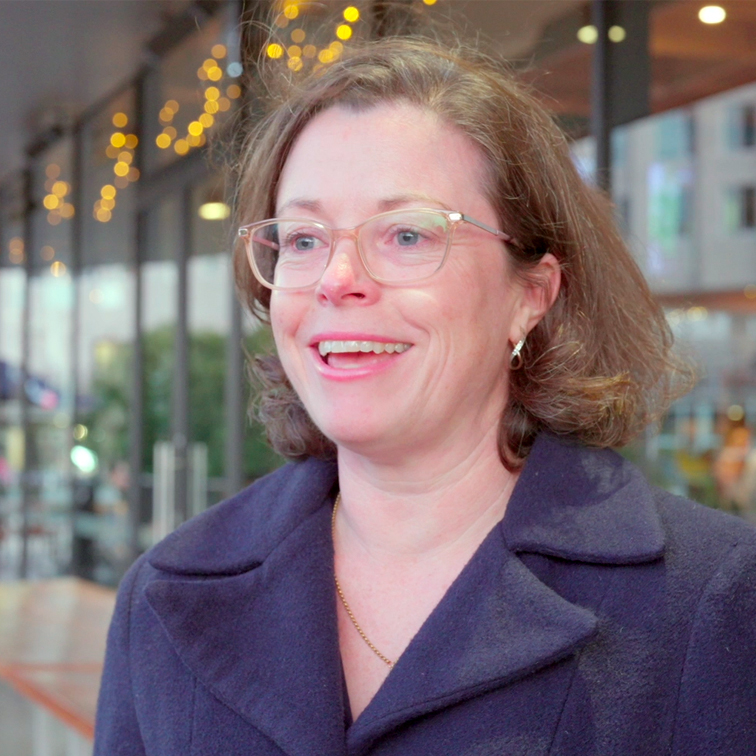
Justin Bell-James, University of Queensland.

Justine Bell-James of the University of Queensland commended the bringing together of people from all the different areas of restoration.

“To be able to progress national or international targets on restoration you need to understand the science but you also need to understand how to operationalise it,” she said. “It’s just such a great opportunity to hear the latest in science and restoration practice.”

The 2026 ACRN Symposium will be held at Adelaide on 22–23 October. It is timed to align with events organised by the Society for Ecological Restoration Australasia and the Cooperative Research Centre for Transformations in Mining Economies to foster cross-system discussion, networking and collaboration. A monthly ACRN webinar series covers topics such as the harmful algal bloom in South Australia and the NSW Plan for Nature. The ACRN newsletter connects members through news, events and publications, and showcases Australian and international restoration activities.

Marine and coastal habitat restoration is a major research focus for the National Environmental Science Program (NESP) Marine and Coastal Hub. The NESP has sponsored the ACRN since 2017.

Views from the symposium
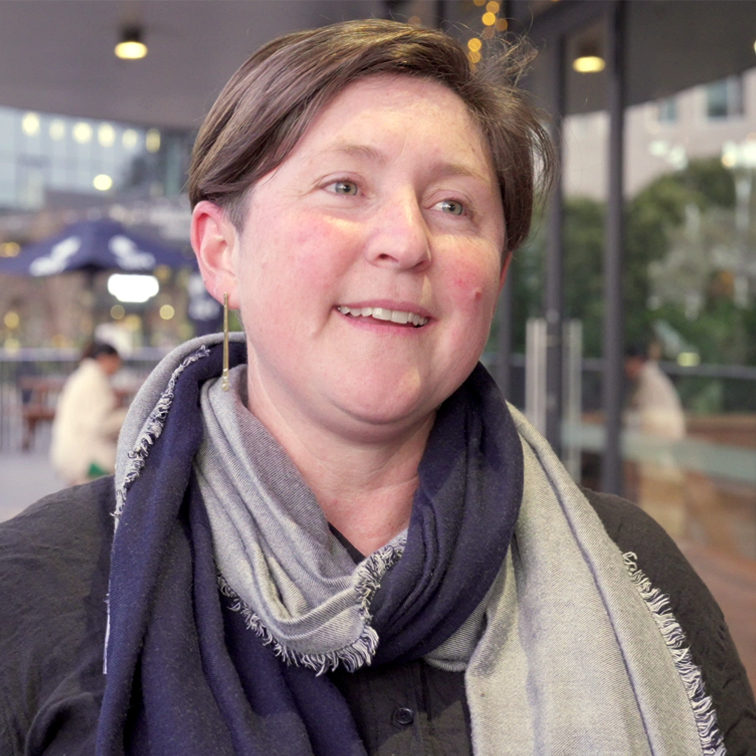
Jennifer Hemer, NRM South: “I came to the symposium to connect with a community of researchers and practitioners who are all focussed on solutions around ecological and coastal restoration in the marine zone.”
Paul Hedge, Marine and Coastal Hub: “The size of the challenge we face is not a small task and it’s going to require many people to work together well to meet the size of this challenge.”
Will Hamill, Great Barrier Reef Foundation: “I love coming to the ACRN Symposium because it brings a mix of practitioners policy-makers and researchers together in the one spot.”
Alexandra Rodriguez, RMIT: “For me it’s an important opportunity to connect with people and hear about real experiences about restoration happening across Australia.”
Michael Sievers, Griffith University: “I came to the symposium to network with Australia’s best and leading coastal restoration practitioners and scientists.”
Dominic McAfee, Adelaide University: “It’s just a fabulous community to be involved with. It’s lovely to come together and talk about the challenges and how to overcome them.”
ACRN co-leader Megan Saunders, CSIRO: “It’s an amazing way to get people together who are like-minded; to cross over disciplinary, ecosystem and geographic barriers to build a community of people working together. Restoration happens on ground at local levels so a network like ACRN helps us to start building the architecture for that coordination.”
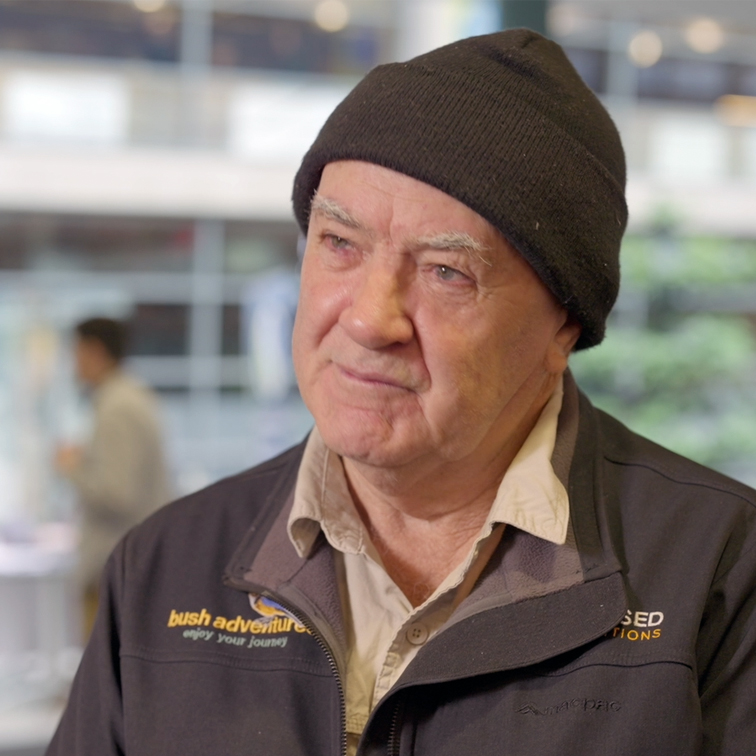
Boandik Elder Ken Jones, Bush Repair: “Thirty years ago it felt very lonely with the sustainable redevelopment of our wetlands and creekside. So it’s comforting now to know that there are many many other people supporting our ideals. It means that I’m no longer alone. Really lovely to be involved in this network.”
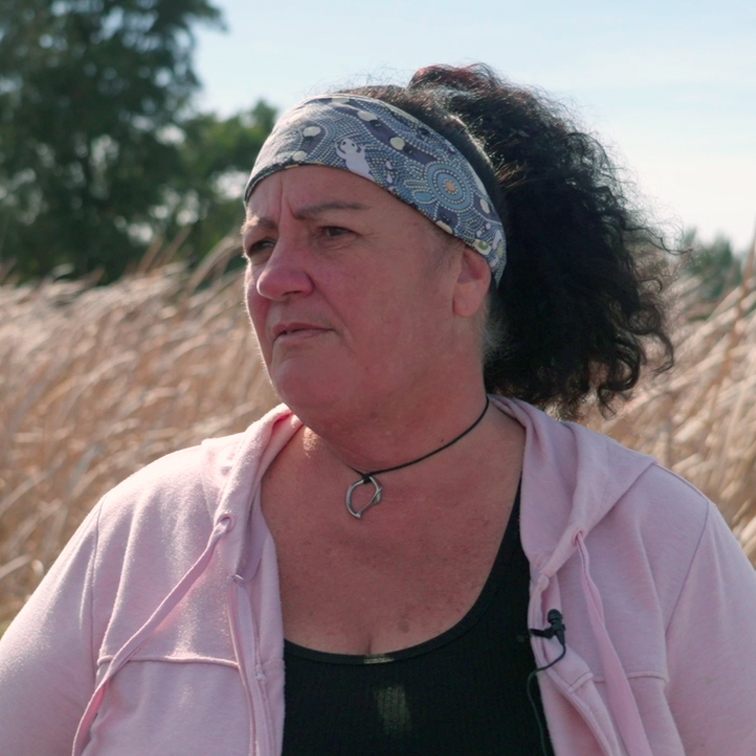
Deb Clark, Woppaburra Rangers: “What’s important about being involved in the ACRN is definitely the network and the knowledge sharing, and it was an absolute privilege to be part of the First Nations Panel because it’s that two-way learning.”
BACK TO TOP