Article
10 February 2026
This article by hub researcher Nathan Angelakis is republished from The Conversation.
Most seals give birth to a pup around the same time each year, and wean them and send them on their way within 12 months in an annual cycle.
Australian sea lions are different. They have an 18-month breeding cycle, out of sync with the seasons, which has puzzled scientists for years.
So compared to other seals, Australian sea lion mothers spend an extra six months or more nursing their pups. Why this is so remains a mystery.
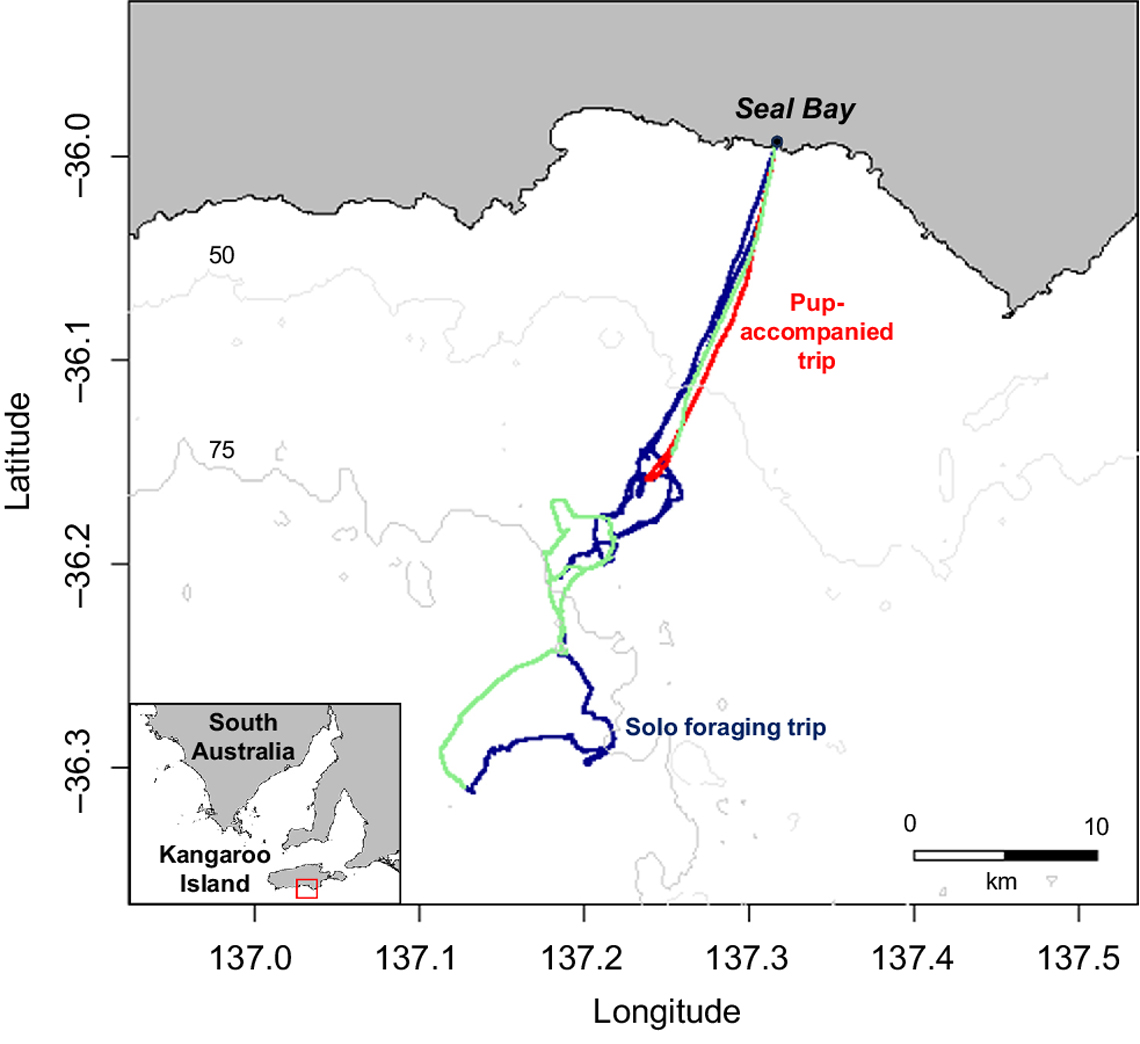
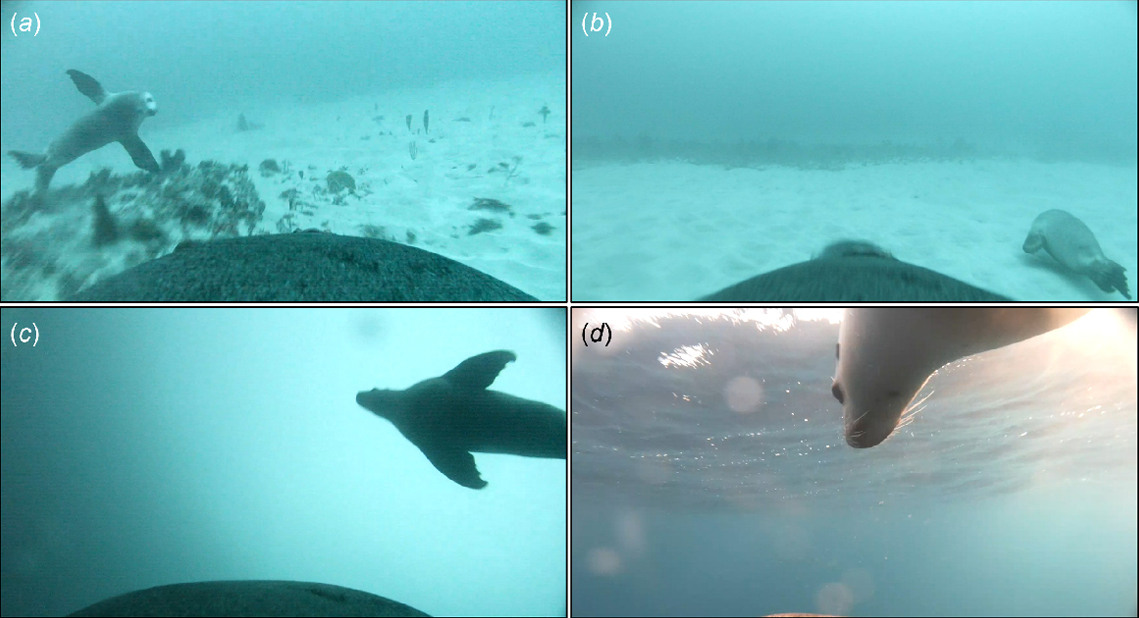
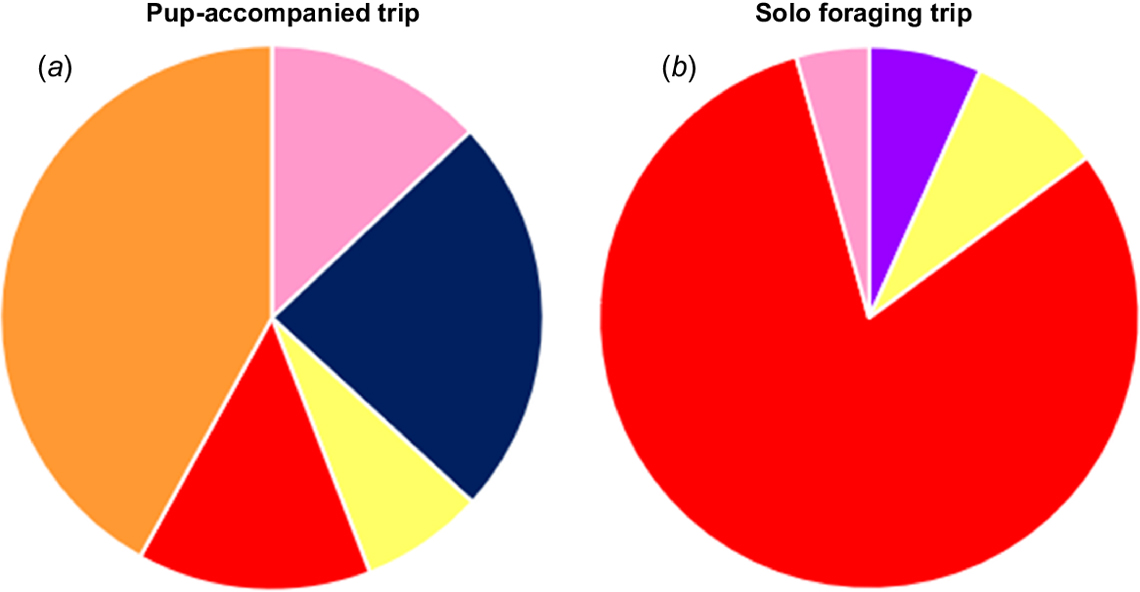
In our latest study, we captured footage of an Australian sea lion mother taking her 11-month old pup on an 8-hour foraging trip to sea. This footage provides the first direct evidence we have that Australian sea lion mothers pass on foraging skills to their pups – which may have helped shape the unique life and reproductive patterns of this endangered creature.
What a sealcam showed
To get a closer look at how Australian sea lions rear their young, we attached an underwater camera, a GPS tracker and a dive recorder to an 8-year-old sea lion mother from the colony at Seal Bay on Kangaroo Island in South Australia.
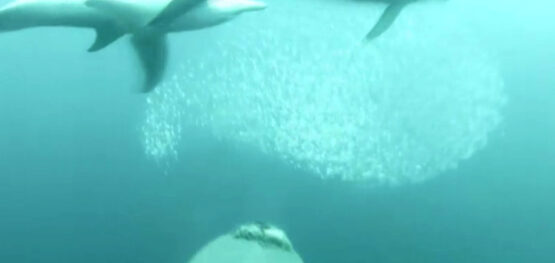
A few days later, when the mother returned to the colony from sea, we collected the devices, downloaded the data, and took a look at the camera recording. We captured amazing footage of the mother and pup diving at sea together and foraging across different habitats such as sponge gardens, kelp reefs and large sandy plains.
We were even lucky enough to collect footage of the mother capturing a giant cuttlefish and taking it to the surface to devour, with the pup close by throughout the whole capture.
This finding suggests Australian sea lion mothers use social learning to pass on foraging skills to pups, and can demonstrate to them how to locate, capture and consume prey.
Many sea creatures learn from their mothers
This social learning of foraging behaviour from mother to offspring is well known in other marine mammals.
Bottlenose dolphin mothers teach their calves how to use sponges when they forage on the seabed. Orcas and sea otters also inherit dietary preferences from their mothers.
In these species, this social learning of behaviour is thought to be critical to raising young, assisting them in learning how to hunt challenging prey, or to hunt in diverse habitats.
Scientists have speculated before that seals may use social learning when raising pups. However, finding direct evidence of these behaviours has remained elusive.
Earlier research has suggested Australian sea lion pups require lots of experience and knowledge of foraging grounds to hunt successfully. Therefore, the extra months pups spend with their mothers may provide the opportunity for them to develop their foraging skills while accompanying them on trips at sea.
Social learning and biology
The video we collected in this study provides exciting new insight into evolutionary and ecological factors that may have helped shape the unique 18-month breeding cycle and life of the Australian sea lion. Social learning may be an important component of the development of foraging behaviour in Australian sea lion pups.
Australian sea lion mothers take sole care in raising their pups, so they are critical to the survival of the pups, and the success of Australian sea lion populations. Australian sea lions are endangered, with their populations declining by more than 60% over the last 40 years.
Continued research using underwater cameras will improve our knowledge on the unique lives of Australian sea lions. Understanding the ecology and evolutionary biology of the species is key to protecting their populations into the future.
Further reading
Evidence for social transmission of foraging behaviour in the Australian sea lion (journal article).