Newsletter
11 September 2026
Welcome to the September 2026 issue of The Blue Drummer, the newsletter of the National Environmental Science Program (NESP) Marine and Coastal Hub.
We’re fresh back from an inspiring week at AMSA 2026, the conference of the Australian Marine Sciences Association. The NESP is a long-term supporter of Indigenous participation at this conference and it was great to see Indigenous-led presentations flourishing throughout the program.
This newsletter features stories of two hub Indigenous research partnerships showcased at AMSA 2026. The first is about cultural signage installed at Margaret River, WA, featuring Songlines reaching far into the ocean. The second presents training materials developed to empower Rangers to monitor seagrass health and enable comparisons across northern Australia.
Also in the north, decades of data show that water quality is improving in many rivers that meet the Great Barrier Reef. Southern reefs are in the spotlight too, with research footage of massed Port Jackson sharks in Bass Strait’s Beagle Marine Park providing evidence for conservation initiatives.
Oceanographers also have eyes on Bass Strait as they simulate how offshore wind turbines may change the natural cycle of nutrient delivery from the deep ocean. In another feat of modelling, hub tagging data has been teamed with AI to predict Australian sea lion foraging behaviour.
Finally, we focus on southern right whales. Satellite tagging and tracking has revealed new nursery areas and identified potential risks along the South Australian coast. And the collation and curation of thousands of images has connected the national view of southern right whale movements and habitats.
Please join our southern right whale webinar on Thursday 17 September to see hub project leaders present the findings of their research.
Enjoy our stories!
Alan Jordan, Marine and Coastal Hub southern node leader
Damien Burrows, Marine and Coastal Hub northern node leader
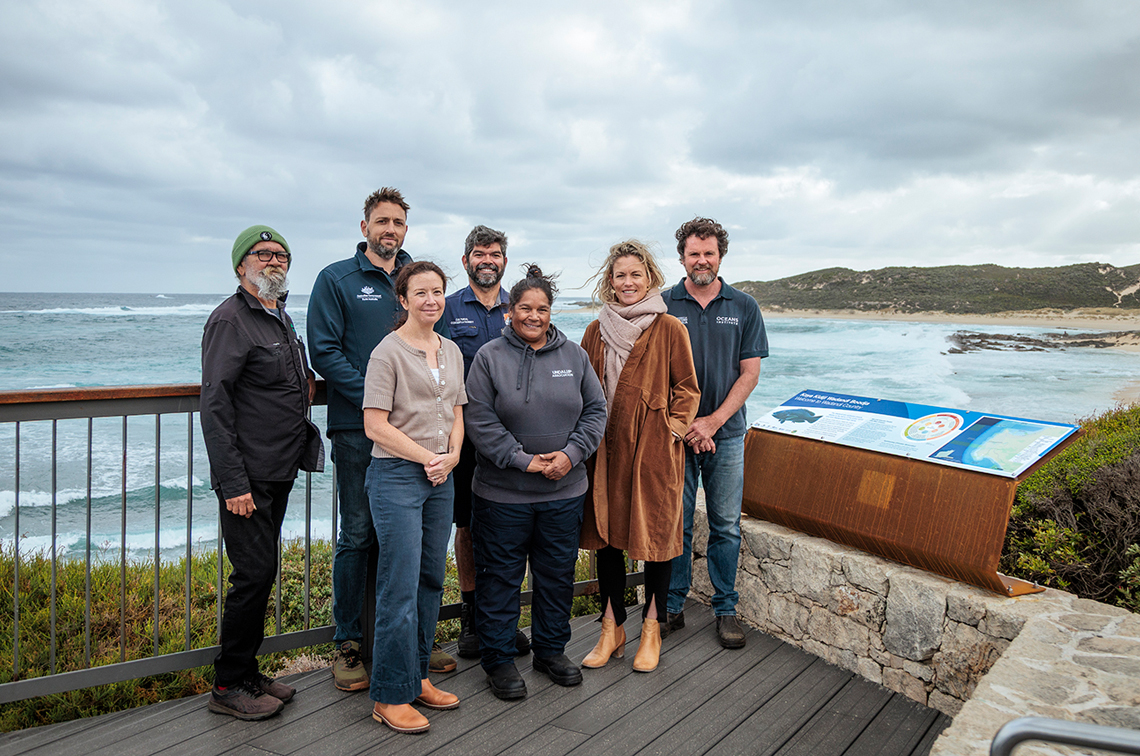
Cultural signage connects surfers and Songlines at Margaret River
Sharing Wadandi culture, stories and connection to Country on Wadandi Boodja (Saltwater People’s Country).
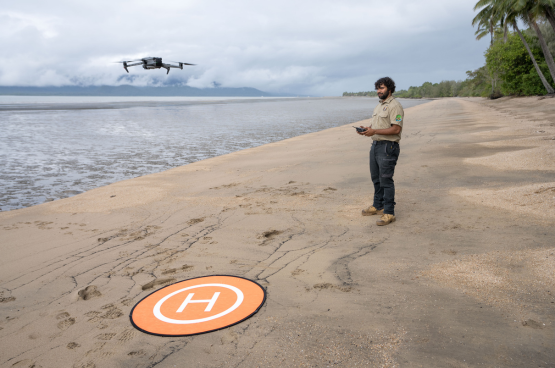
New tools to guide Indigenous Rangers monitoring Sea Country
Indigenous Rangers and researchers have co-designed practical guides for monitoring across northern Australia’s tropical seagrass beds.
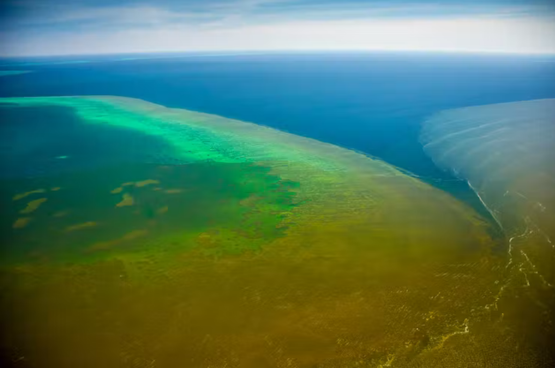
We finally have some encouraging news on Great Barrier Reef water quality
Analyses of decades of monitoring data shows that reef health programs have reduced fertiliser runoff and sediment flows from reef catchments.
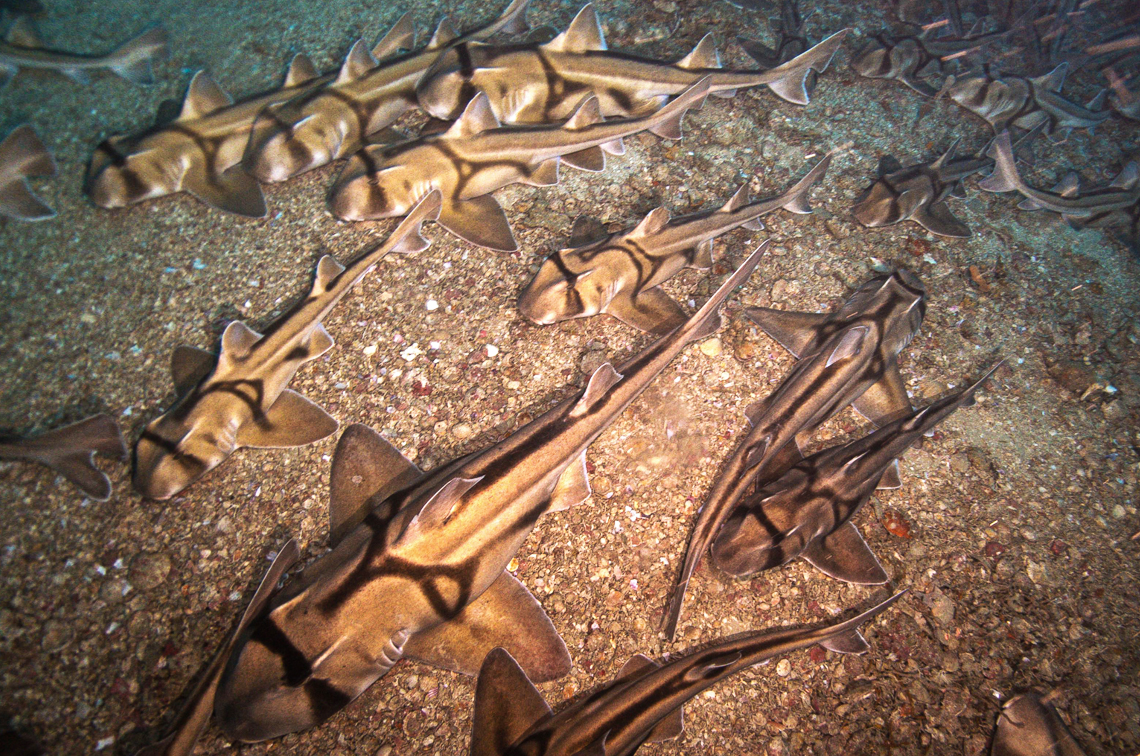
Port Jackson shark slumber party invites conservation actions
Footage of massed sharks acquired during surveys of Bass Strait’s Beagle Marine Park has provided evidence for conservation initiatives.
Modelling the flow-on effects of wind farms in Bass Strait
Oceanographers wielding equations are simulating how wind loss at the surface changes the natural cycle of nutrient delivery from the deep ocean.
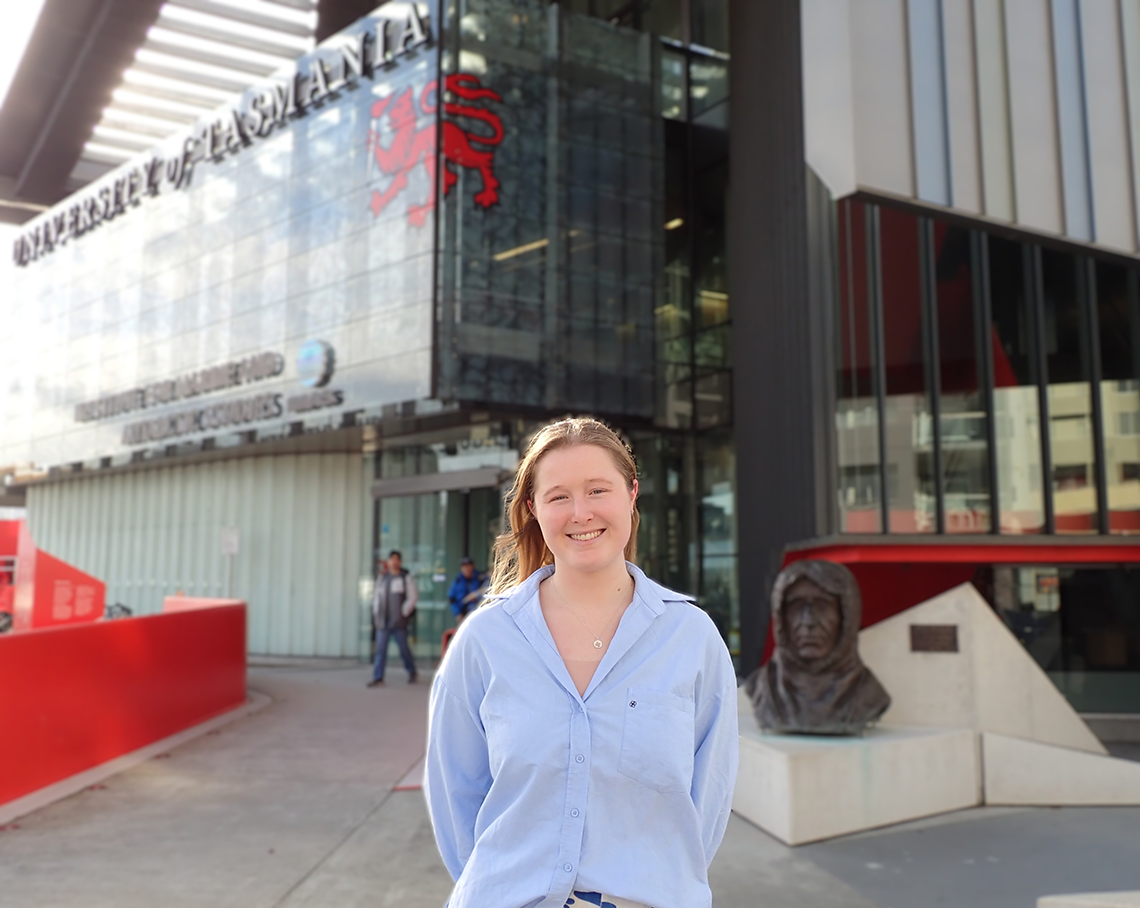
AI shows promise for predicting how Australian sea lions move and feed
UTAS student Ruby Fox used hub tagging data in a novel machine-learning study to reconstruct sea lion foraging behaviour.
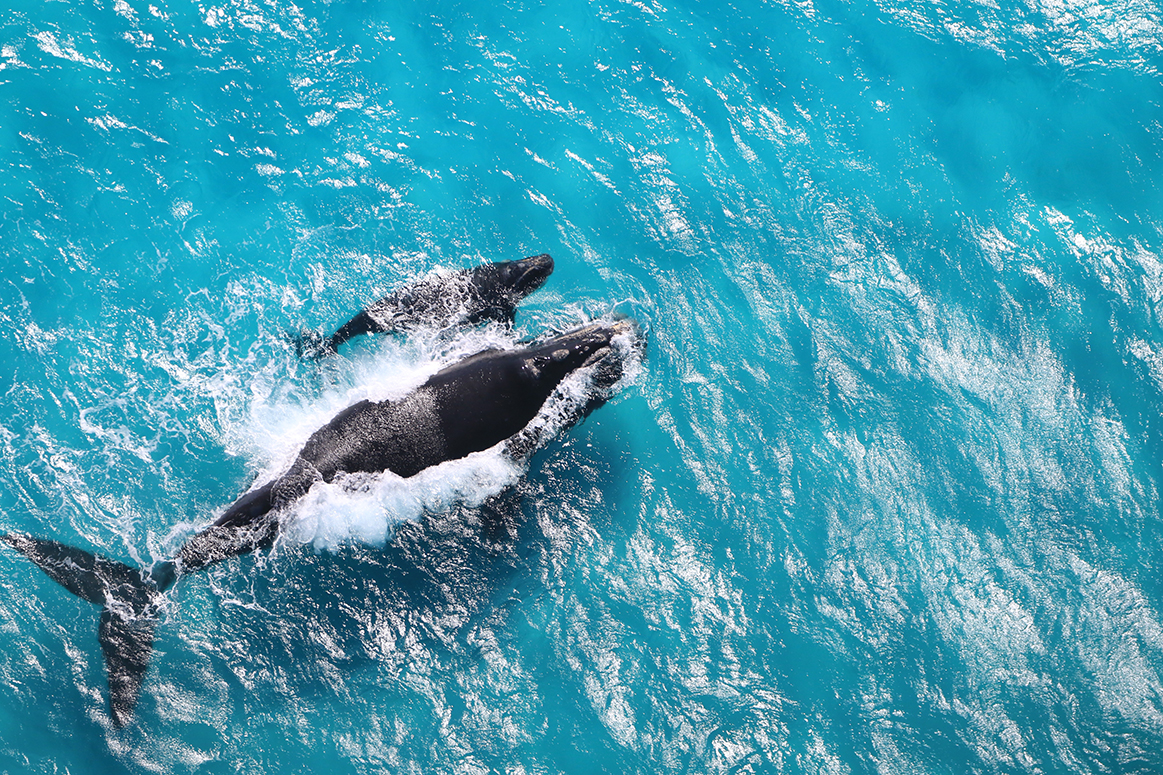
National photo bee connects southern right whale observations
Image revision, surveys, and a catalogue overhaul have transformed the bird’s eye view of calving grounds and connectivity.
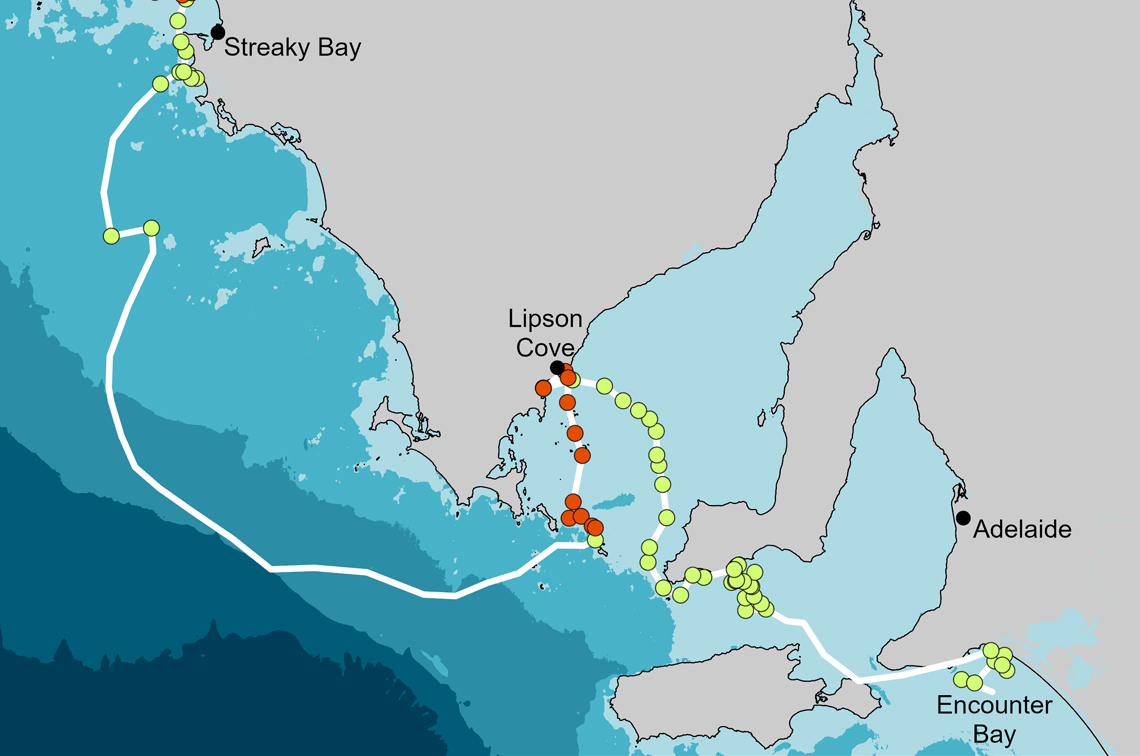
Southern right whales reveal new calving grounds off South Australia
Satellite tagging and tracking has provided new insights into whale movements, behaviour, and exposure to marine industries.
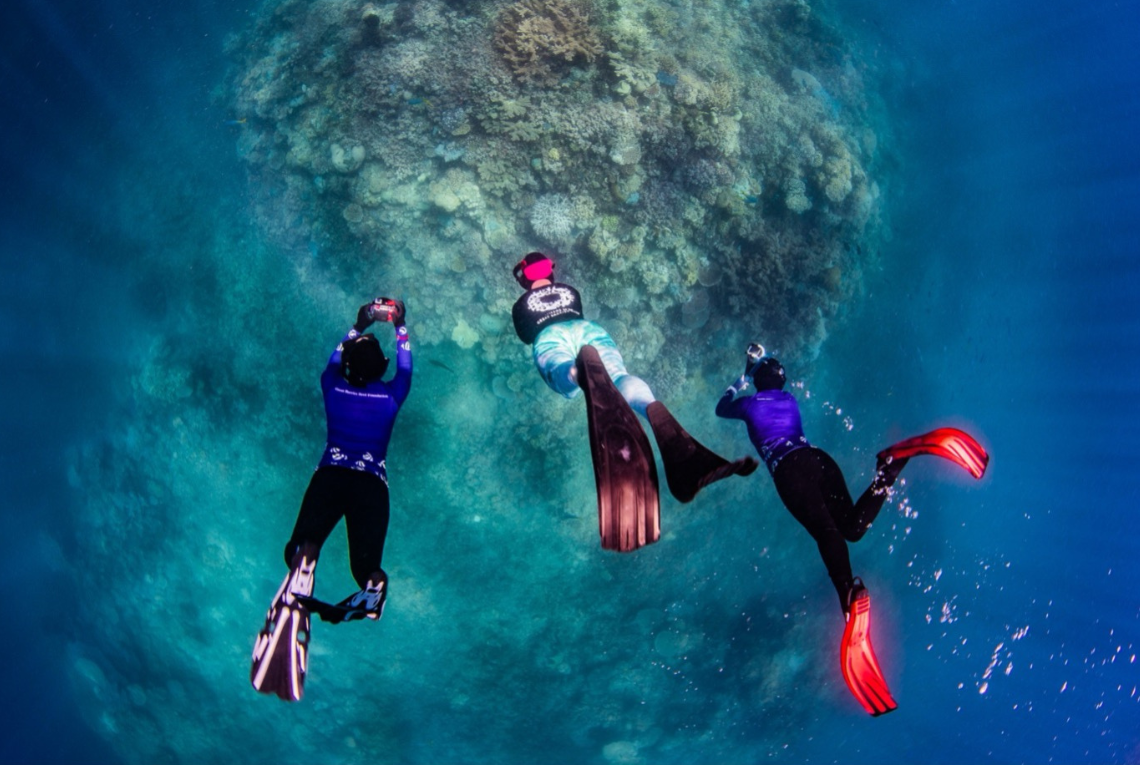
Great Reef Census offers lessons in large-scale environmental monitoring
This blend of human and artificial intelligence demonstrates the value and reach of well-designed citizen science.
Publications
- September Marine and Coastal Hub offshore wind farm environmental research update: newsletter
- Building a national picture of southern right whales in Australia: research report
- Water quality trends in river catchments draining to the Great Barrier Reef: an analysis of ∼40 years of data: journal article and fact sheet
- Trends in fertiliser use and efficiency in the Great Barrier Reef catchment area: journal article and fact sheet
- Making marine environmental data more assessment-ready: research report
- A synthesis of the existing scientific data on the coral reefs in the southern Gulf of Carpentaria: research report
- Per- and polyfluoroalkyl substances in urban runoff and receiving marine water and sediment in Gamay/Botany Bay: fact sheet
- Unbroken whispers – The ripples connecting Sea-Kin: fact sheet
Videos/webinars
- Using underwater video and grab on Karajarri Sea Country: video
- Using underwater video and grab on Marra Sea Country: video
- Using drones with the Girrigun Rangers: video
- Understanding and protecting migratory shorebirds in Australia: Marine and Coastal Hub Webinar
Upcoming events
- Monitoring, aggregation areas and approaches to improve data effectiveness for southern right whale conservation webinar, Thursday 17 September, 1–2 pm
- Australasian Coastal Restoration Network 2026 Symposium, Adelaide, October 22–23